What is mining difficulty
Mining difficulty is how hard Bitcoin makes the puzzle so that new blocks stay near ten minutes apart. It is recalculated every 2,016 blocks, about two weeks, from how long the previous 2,016 blocks actually took.
What the change is doing
A valid block needs a SHA-256 result at or below a target. Difficulty is that target expressed as a number: a higher difficulty is a smaller target, so fewer hashes qualify. The repeated attempt is the work in Bitcoin mining, and the thing it adds is a Bitcoin block. At one block every ten minutes, 2,016 blocks take 20,160 minutes, which is two weeks. If the last 2,016 blocks were faster than that, the next difficulty rises in proportion. If they were slower, it falls in proportion. One change cannot multiply or divide the difficulty by more than four.
When more hashrate joins, blocks tend to arrive faster until the next retarget, and then difficulty rises. When hashrate leaves, blocks slow down, and the next retarget makes the puzzle easier. A block that misses the target is rejected by the rest of the network. The adjustment is what keeps a busier network from producing a block every minute, and a quieter one from producing a block every hour.
Test 14 days of ₿itcoin mining for free
What it means for TH/s you rent
Your rented hashrate stays the same count of attempts per second after a difficulty change. A higher difficulty means the whole network is doing more attempts for each block, so each TH/s is a smaller share of that work. A lower difficulty means each TH/s is a larger share. Either way it is a share of the work, not a promised reward. A Bitcoin halving is a different event. Difficulty follows how much mining is going on. The halving cuts the new bitcoin in the block on a fixed count of blocks.
Infinity Hash points the rented TH/s at a mining pool, on SHA-256 machines such as the Antminer S21 XP Hyd, the Whatsminer M60, and the Antminer S19 Pro. Those machines are ASIC miners. Bitcoin mining and electricity still comes out of the day's mined bitcoin when difficulty is high and when it is low. Bitcoin mining rewards and payouts is the record of that day. Hosted hashrate and buying a miner is how you rent the TH/s without owning the ASIC.
Frequently asked questions
Every 2,016 blocks. At the ten-minute target, that is about two weeks.
Because the previous 2,016 blocks arrived faster than two weeks. More hashrate is the usual reason. The next retarget makes the target harder so the pace can return toward ten minutes.
No. One retarget can multiply or divide the difficulty by at most four.
The TH/s stays the number of attempts you rented. Each of those attempts is a smaller or larger share of the network, depending on which way difficulty moved.
Test 14 days of ₿itcoin mining for free
The latest Bitcoin miners
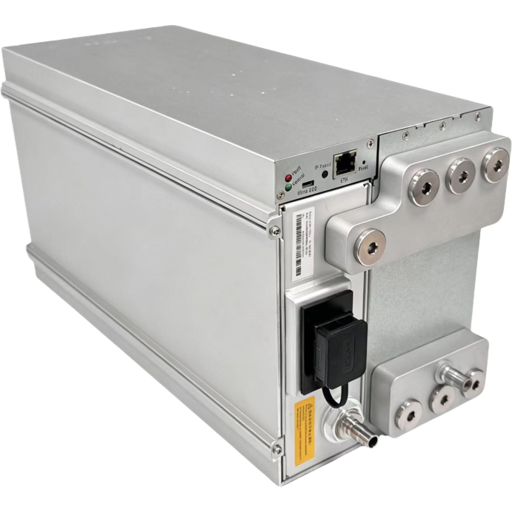
The Bitmain Antminer S23 XP Hyd is a hydro-cooled Bitcoin miner delivering 600 TH/s at an efficiency of 8.9 W/TH.
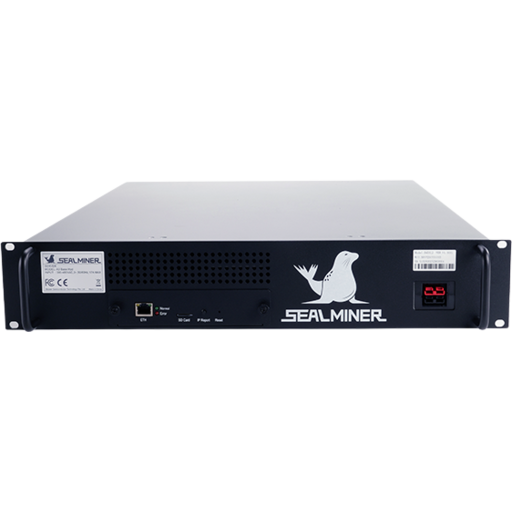
The Bitdeer Sealminer A4 Ultra Hydro is a hydro-cooled Bitcoin miner delivering 886 TH/s at an efficiency of 9.45 W/TH.
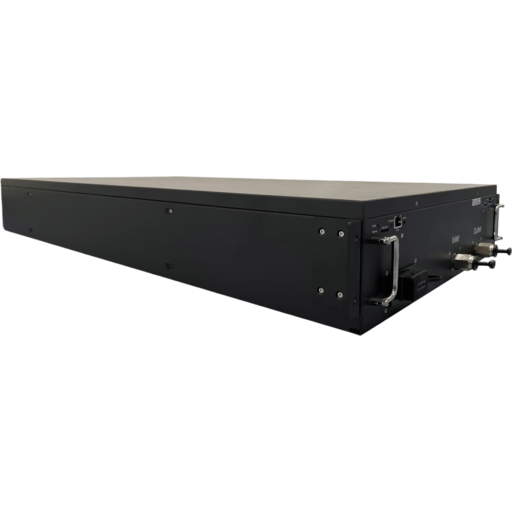
The Bitmain Antminer S23 Hyd 3U is a hydro-cooled Bitcoin miner delivering 1160 TH/s at an efficiency of 9.5 W/TH.
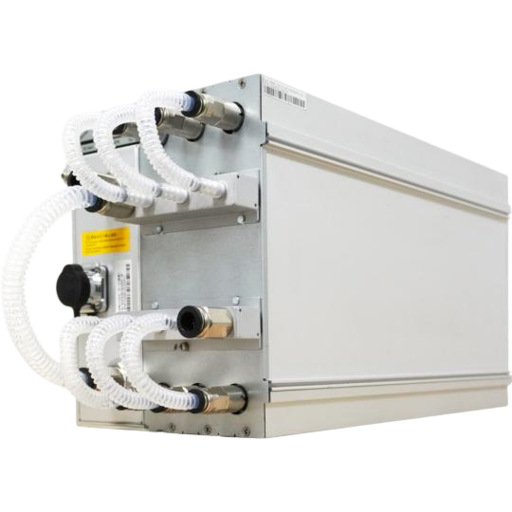
The Bitmain Antminer S23 Hyd is a hydro-cooled Bitcoin miner delivering 580 TH/s at an efficiency of 9.5 W/TH.
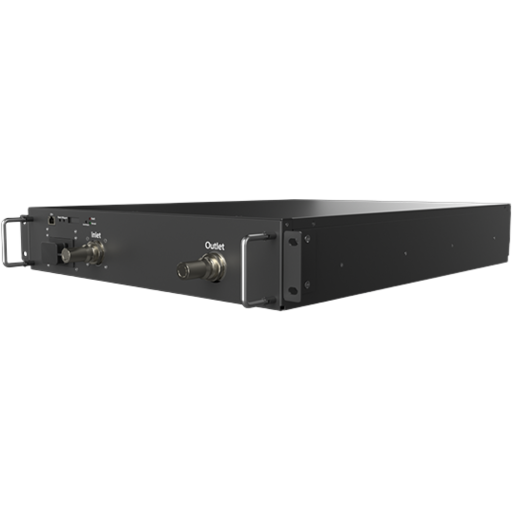
The Bitmain Antminer S23e Hyd 2U is a hydro-cooled Bitcoin miner delivering 865 TH/s at an efficiency of 10 W/TH.
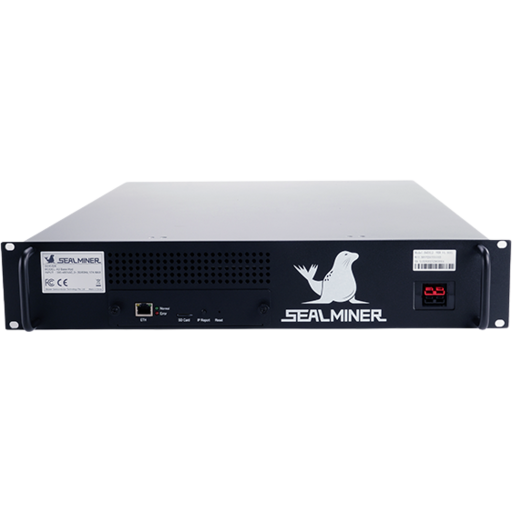
The Bitdeer Sealminer A4 Pro Hydro is a hydro-cooled Bitcoin miner delivering 680 TH/s at an efficiency of 10.9 W/TH.
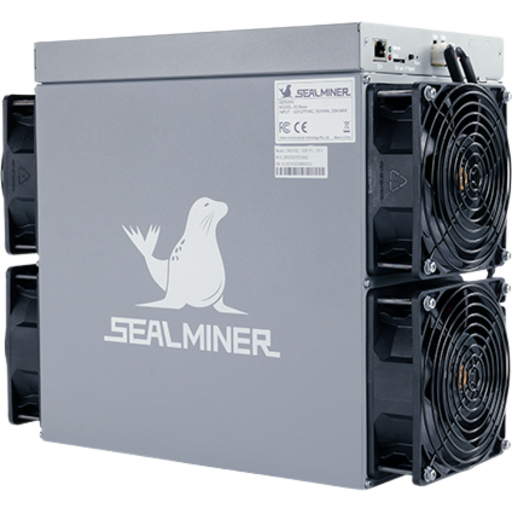
The Bitdeer Sealminer A4 Pro Air is an air-cooled Bitcoin miner delivering 336 TH/s at an efficiency of 10.9 W/TH.
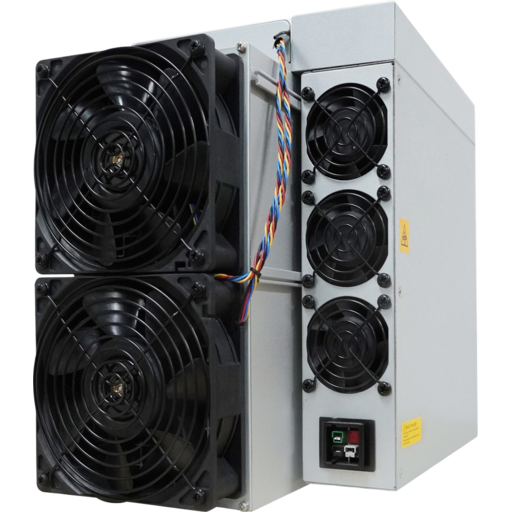
The Bitmain Antminer S23 is an air-cooled Bitcoin miner delivering 318 TH/s at an efficiency of 11 W/TH.
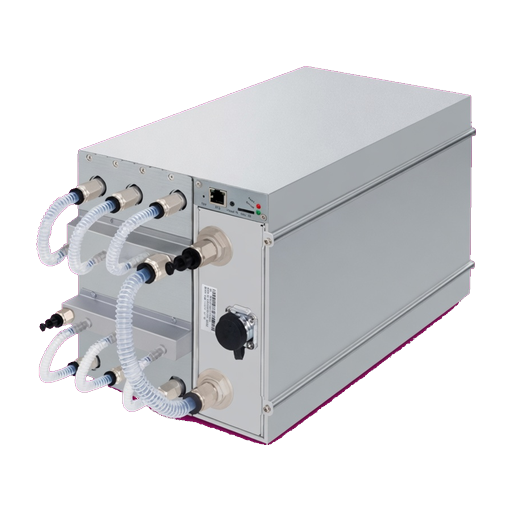
The Bitmain Antminer S21 XP+ Hyd is a hydro-cooled Bitcoin miner delivering 500 TH/s at an efficiency of 12 W/TH.
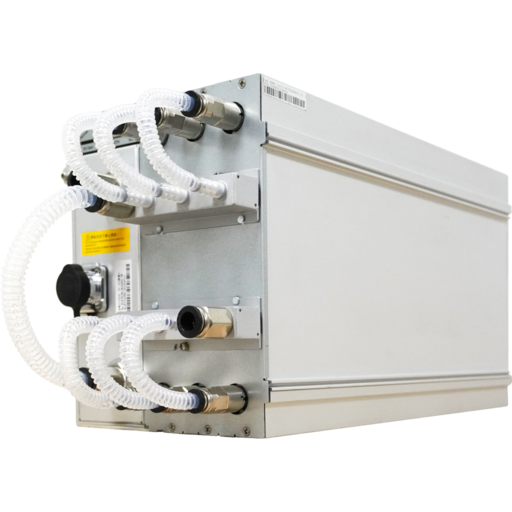
The Bitmain Antminer S21j XP Hyd is a hydro-cooled Bitcoin miner delivering 495 TH/s at an efficiency of 12 W/TH.