KAS Mining
How traditional Kaspa mining works
Kaspa, launched in November 2021, is a decentralized, scalable Layer-1 blockchain that operates on a Proof of Work (PoW) mechanism. Originally mineable with CPUs and GPUs, Kaspa mining is now dominated by ASICs (Application-Specific Integrated Circuits) as they provide the efficiency needed to compete with the network’s high hashrate. Technically, mining Kaspa with GPUs or CPUs remains possible, but it is no longer profitable due to ASICs’ efficiency and the associated electricity costs.
Kaspa’s mining structure enables rapid transaction processing, utilizing the kHeavyHash algorithm. These features allow for one-second block times, enhancing transaction speed and maintaining decentralization. Kaspa’s governance model is community-based, with no pre-mining or pre-sale; all KAS tokens are distributed through mining, with a capped supply of 28.7 billion KAS. Monthly reductions in emissions effectively halve the rate every year, further preventing dilution.
Kaspa mining pools
Kaspa mining pools allow miners to pool resources and earn consistent rewards. Here are some popular options:
- ViaBTC: A trusted pool with a variety of payout options.
- Humpool.com: Offers competitive fees and a stable mining environment.
- Kaspa-pool.org: User-friendly pool interface, suitable for beginners.
- 2Miners: Known for supporting various hardware, including ASIC and GPU mining.
Kaspa mining algorithm
Kaspa uses the kHeavyHash algorithm, a variant of HeavyHash designed specifically for its network. This algorithm incorporates matrix multiplication between two keccak (SHA-3) hashes, focusing on core processing rather than memory usage. This design supports dual mining, allowing miners to mine Kaspa alongside other cryptocurrencies that use memory-intensive algorithms.
kHeavyHash is optimized for ASIC mining, though it remains compatible with high-performance GPUs and FPGAs in a non-competitive, learning context. It’s efficient in terms of power consumption, making it suitable for high-performance mining. Kaspa’s architecture complements kHeavyHash by supporting rapid transactions and immediate confirmations. This design aims to enable Kaspa’s use as a payment system.
Test 14 days of ₿itcoin mining for free
How to set up a Kaspa mining rig
-
1. Choose Kaspa mining hardware
ASIC miners are essential for mining Kaspa effectively. When choosing, prioritize hardware with high hash rates, efficient energy use, and reliable cooling systems. You can see some information about different KHeavyHash miners here.
-
2. Set up a Kaspa wallet
Kaspa offers various many different wallet options: Kaspa Official Web Wallet, Kaspium (a mobile wallet), KDX (which includes a node, a wallet and a GPU miner). Additionally, many hardware wallets such as Ledger support Kaspa. Make sure to copy and save your unique Kaspa address, which will always include the “kaspa:” prefix.
-
3. Configure your ASIC miner according to Pool instructions
Once you’ve selected a mining pool, configure your ASIC miner by following the pool’s setup instructions. Here’s the general process: Log into the ASIC (Locate the device’s IP address, typically using an IP Scan tool, and enter this address into your browser to access the ASIC’s configuration panel) and enter your pool information (Most pools will provide a URL (or “stratum address”) for connection, along with recommended settings like worker name and password).
-
4. Be cautious with firmware!
For ASIC miners, the firmware is typically built into the device by the manufacturer, providing basic functionality to start mining. While most miners stick to this default firmware, there are custom firmware options available that offer features like overclocking, undervolting, and other optimizations for improved performance. Nevertheless, be cautious when downloading firmware or mining software online, as it is common for it to contain malware. Such malicious software can redirect your hashrate, connect you to unauthorized pools, or even permanently damage your device. Always download firmware and mining software directly from the ASIC manufacturer or trusted mining pools.
-
5. Start mining
After configuration, restart your ASIC miner. It can take 15-20 minutes for your device to fully connect and sync with the pool. Once connected, mining stats like hash rate, power usage, and device temperature will be accessible on your pool’s dashboard or through any additional software tools you’re using for monitoring and control. Regularly checking these metrics helps ensure your miner is running efficiently, and you’ll be able to view your mining rewards directly in your wallet.
Frequently asked questions
Kaspa is a proof-of-work cryptocurrency that uses an architecture to enable high-speed, decentralized transactions. Unlike traditional blockchain systems, Kaspa allows blocks to be created and merged in parallel, improving transaction finality and scalability. This design aims to address common limitations in blockchain technology, offering an approach that balances efficiency, security, and decentralization. Kaspa’s architecture has positioned it as a platform with potential for applications requiring high transaction throughput.
Yes, Kaspa uses the kHeavyHash algorithm, making it suitable for mining with GPUs, FPGAs, and future hardware. However, these days Kaspa’s network hash rate is too high and only profitable using ASICs.
Mining 1 Kaspa depends on factors like hashrate and mining difficulty. Miners usually aim to validate blocks rather than mining single coins. Check out the emission schedule to know the block reward.
Yes, Kaspa’s architecture allows solo mining, though pool mining offers more consistent rewards unless you have high mining power.
With its profitability and decentralized design, Kaspa is one of the most popular mineable coins. However, profitability depends on factors like hardware and electricity costs.
KAS mining links
These are essential links for Kaspa mining:
Kaspa miners
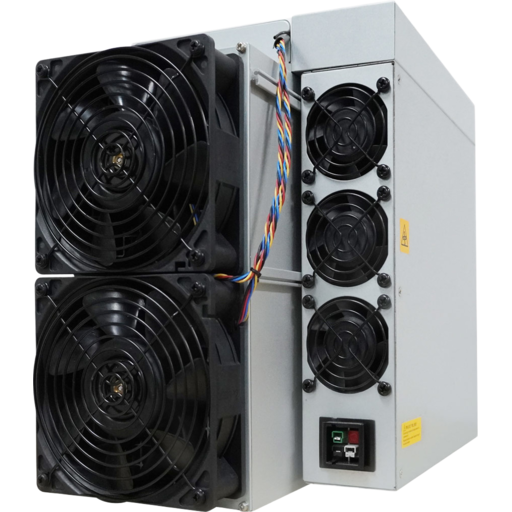
The Bitmain Antminer KS7 45Th is an air-cooled kHeavyHash ASIC for Kaspa mining, rated at 45 TH/s and 3,465 W (77 J/TH).
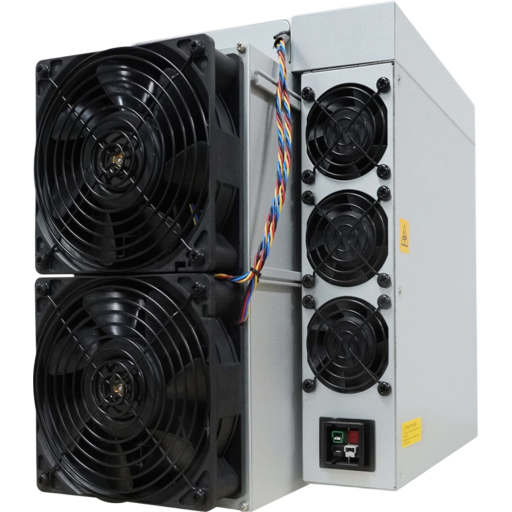
The Bitmain Antminer KS7 40Th is an air-cooled kHeavyHash ASIC for Kaspa mining, rated at 40 TH/s and 3,080 W (77 J/TH).
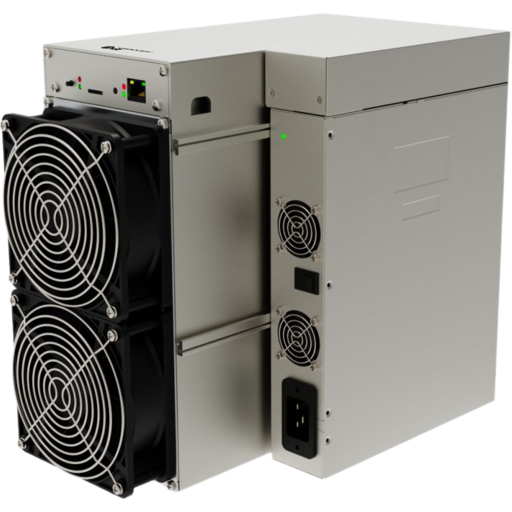
The IceRiver KS7 is an air-cooled kHeavyHash ASIC for Kaspa mining, rated at 30 TH/s and 3,500 W (117 J/TH).
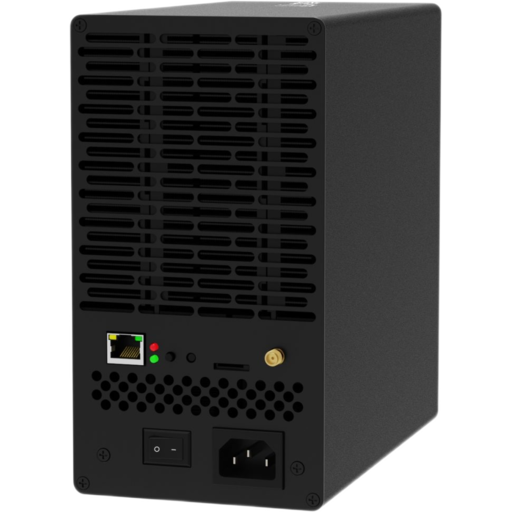
The IceRiver KS7 Lite is a compact air-cooled kHeavyHash ASIC for Kaspa mining, rated at 4.2 TH/s and 500 W (119 J/TH).
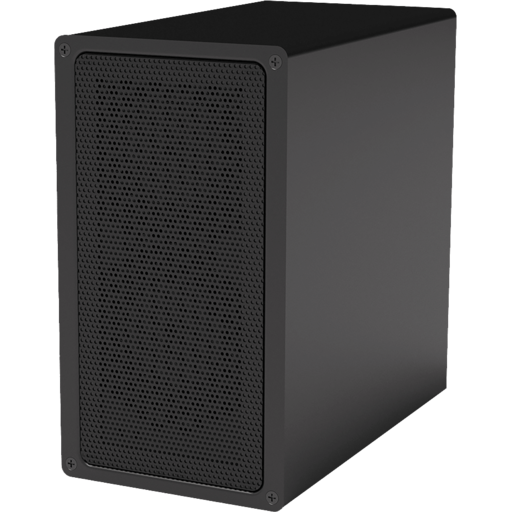
The IceRiver KS2 Lite is a compact air-cooled kHeavyHash ASIC for Kaspa mining, rated at 2 TH/s and 500 W (250 J/TH).
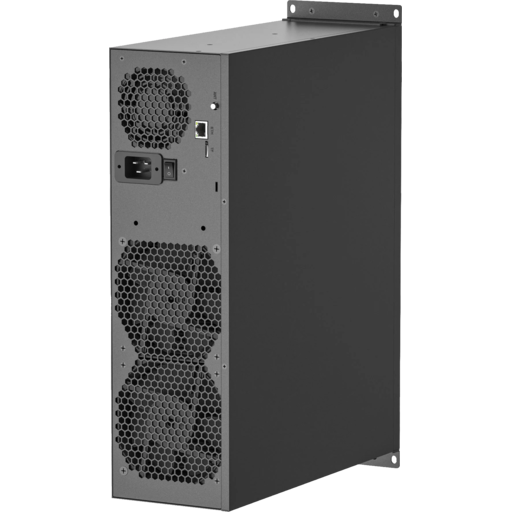
The Goldshell E-KA1M is an air-cooled kHeavyHash ASIC for Kaspa mining, rated at 5.5 TH/s and 1,800 W (327 J/TH).
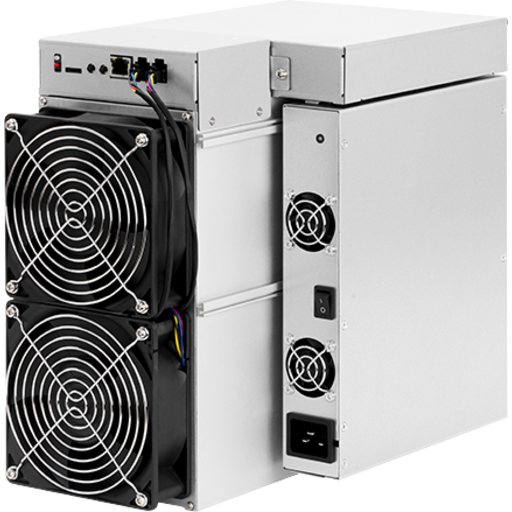
The DragonBall KS6 Pro+ is an air-cooled kHeavyHash ASIC for Kaspa mining, rated at 11 TH/s and 3,600 W (327 J/TH).
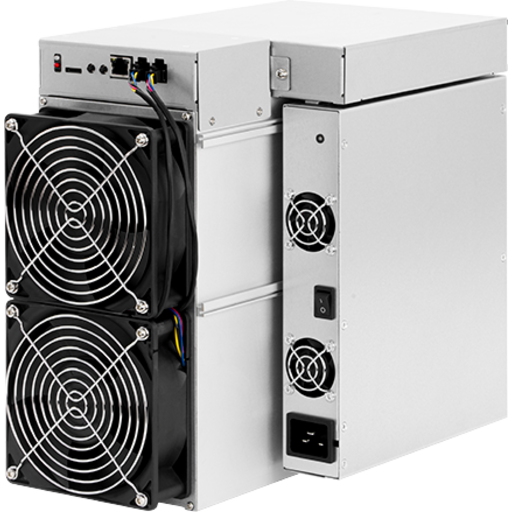
The DragonBall KS6 Pro is an air-cooled kHeavyHash ASIC for Kaspa mining, rated at 10.5 TH/s and 3,600 W (343 J/TH).
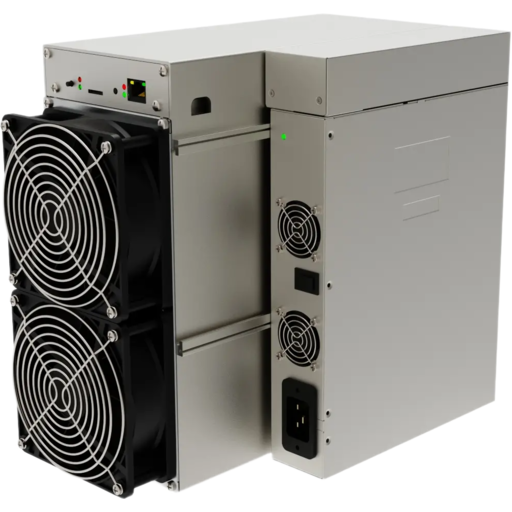
The IceRiver KS5M is an air-cooled kHeavyHash ASIC for Kaspa mining, rated at 15 TH/s and 3,400 W (227 J/TH).
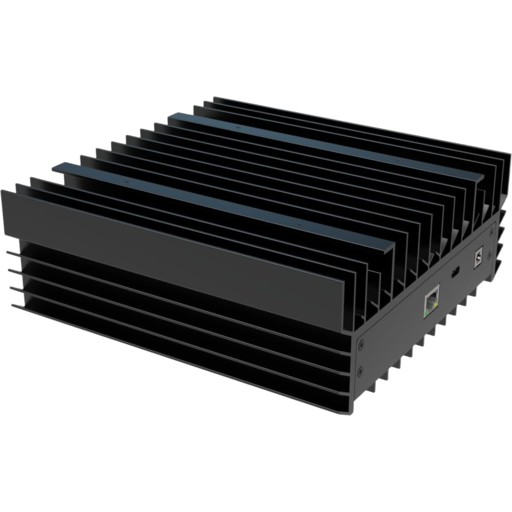
The IceRiver KS0 Ultra is a compact air-cooled kHeavyHash ASIC for home Kaspa mining, rated at 400 GH/s and 100 W (250 J/TH).