What is a mining pool
A mining pool combines hashrate from many miners and splits a found block between them. One machine waiting alone for a block is a rare event. A pool turns that wait into a share of blocks the group finds.
Why the attempts are grouped
One block pays the miner who finds it, which is the race in Bitcoin mining, and the next block is a fresh race. A small amount of hashrate can go a long time between blocks it finds on its own. A pool hands every member work on the same block template and sets an easier target than the network. A result that clears the pool target is a share. A share is not a block. It is proof the machine did the work, and it cannot be faked. Now and then a share also clears the real network target. That one is a Bitcoin block, and the pool splits it.
Pools do not all split the same way. Pay per share pays a set amount for each share, whether or not a block landed in that stretch, and the pool carries the uneven days. Pay per last N shares pays from blocks the pool actually found, weighted to recent work, so the uneven days stay with the miners. Either way, more hashrate is a larger share of that split, not a promised reward.
Test 14 days of ₿itcoin mining for free
The fee on a rented day
The pool fee is 4% of that day's mined bitcoin.
You don't send that fee as its own payment. It is already part of the day you see on Bitcoin mining rewards and payouts. Bitcoin mining and electricity is the watts taken from that same mined bitcoin. Mining difficulty still moves under the pool, and A Bitcoin halving still cuts the new bitcoin inside a block the pool finds.
What you skip
The farm points the machines at the pool. Your side of it is the TH/s you rented. You do not pick a pool or run the pool software. Those machines are SHA-256 ASICs such as the Antminer S21 XP Hyd, the Whatsminer M60, and the Antminer S19 Pro. That hardware is an ASIC miner. Hosted hashrate and buying a miner is the rental of the TH/s the pool is hashing.
Frequently asked questions
A single machine can go a long time between blocks. A pool finds blocks as a group and splits them, so the same hashrate shows up as smaller, more regular shares.
A hash that clears an easier target set by the pool. It proves work. It is not usually a block the Bitcoin network accepts.
From the hashrate you contributed, counted through the shares your machines submitted. More hashrate is a larger slice of the split.
No. The farm points the machines at the pool. Your side is the TH/s you rented.
Test 14 days of ₿itcoin mining for free
The latest Bitcoin miners
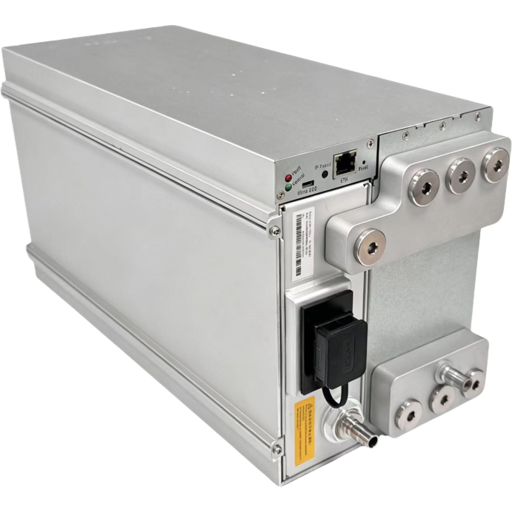
The Bitmain Antminer S23 XP Hyd is a hydro-cooled Bitcoin miner delivering 600 TH/s at an efficiency of 8.9 W/TH.
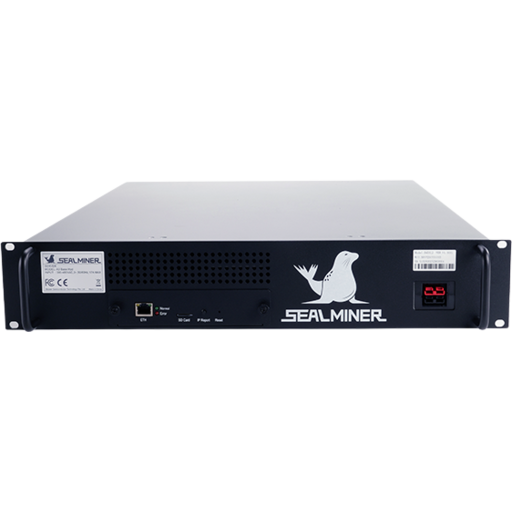
The Bitdeer Sealminer A4 Ultra Hydro is a hydro-cooled Bitcoin miner delivering 886 TH/s at an efficiency of 9.45 W/TH.
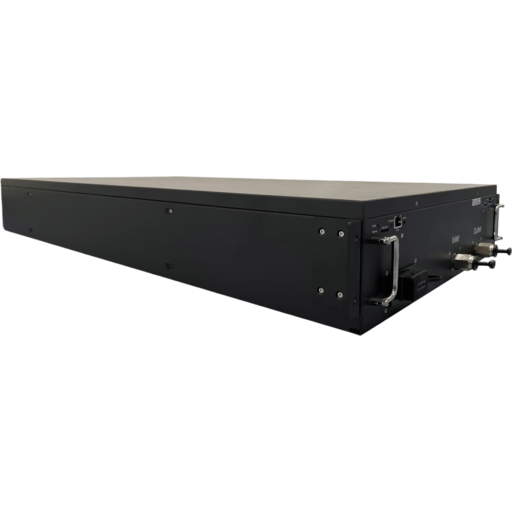
The Bitmain Antminer S23 Hyd 3U is a hydro-cooled Bitcoin miner delivering 1160 TH/s at an efficiency of 9.5 W/TH.
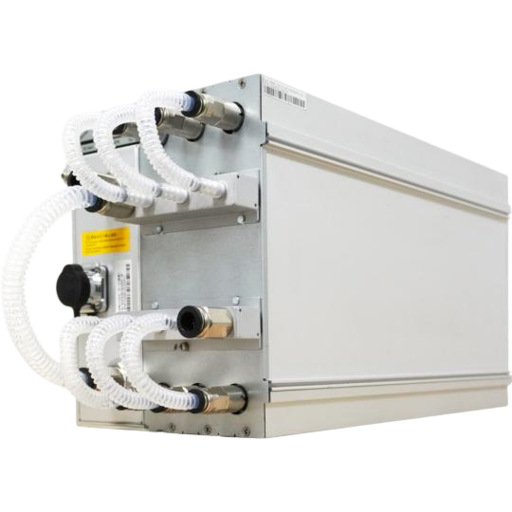
The Bitmain Antminer S23 Hyd is a hydro-cooled Bitcoin miner delivering 580 TH/s at an efficiency of 9.5 W/TH.
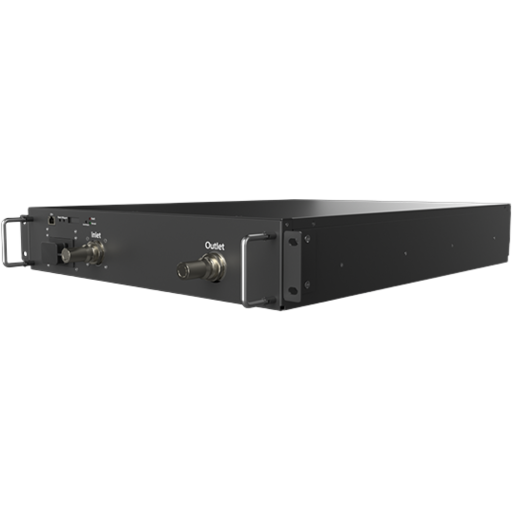
The Bitmain Antminer S23e Hyd 2U is a hydro-cooled Bitcoin miner delivering 865 TH/s at an efficiency of 10 W/TH.
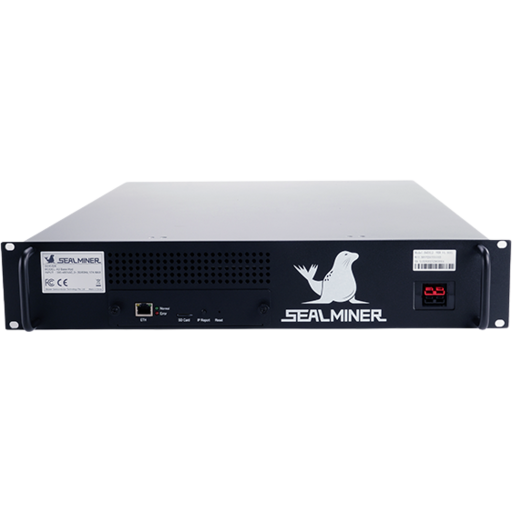
The Bitdeer Sealminer A4 Pro Hydro is a hydro-cooled Bitcoin miner delivering 680 TH/s at an efficiency of 10.9 W/TH.
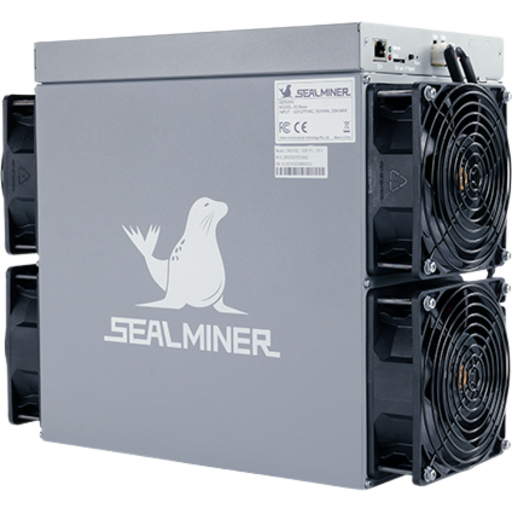
The Bitdeer Sealminer A4 Pro Air is an air-cooled Bitcoin miner delivering 336 TH/s at an efficiency of 10.9 W/TH.
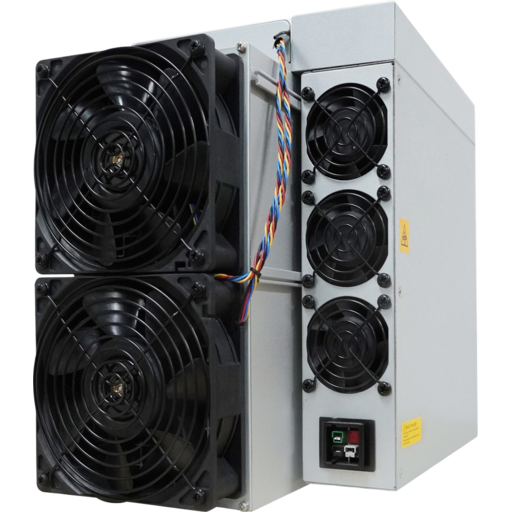
The Bitmain Antminer S23 is an air-cooled Bitcoin miner delivering 318 TH/s at an efficiency of 11 W/TH.
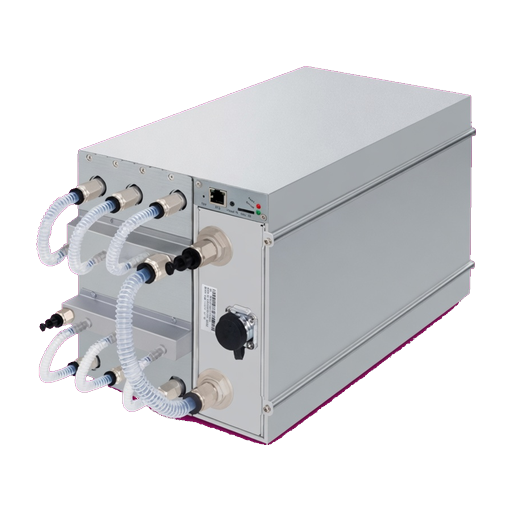
The Bitmain Antminer S21 XP+ Hyd is a hydro-cooled Bitcoin miner delivering 500 TH/s at an efficiency of 12 W/TH.
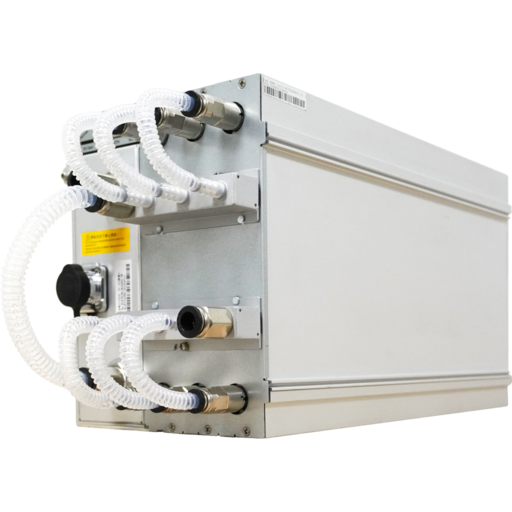
The Bitmain Antminer S21j XP Hyd is a hydro-cooled Bitcoin miner delivering 495 TH/s at an efficiency of 12 W/TH.