BCH Mining
How traditional Bitcoin Cash mining works
Bitcoin Cash (BCH) emerged in 2017 as a fork of Bitcoin to address scalability by increasing the block size limit from 1MB to 8MB, and later to 32MB. This change enables BCH to process more transactions per block, offering faster and cheaper payments, especially during high network activity. By focusing on transaction throughput, Bitcoin Cash aims to serve as a practical, everyday currency, distinguishing itself from Bitcoin’s store-of-value narrative.
However, larger blocks require more storage and bandwidth, potentially reducing the number of nodes and increasing centralization risks. Nevertheless, proponents argue these concerns are overstated, noting that node costs remain accessible and that technological improvements like cheaper storage and faster internet will further mitigate these issues. They believe the trade-off is necessary to achieve BCH’s goal of providing low-cost, reliable transactions at scale.
Bitcoin Cash algorithm
Bitcoin Cash employs the SHA-256 hashing algorithm, identical to Bitcoin’s, which makes it compatible with the same mining hardware, such as ASICs. This allows Bitcoin Cash to benefit from the well-established SHA-256 ecosystem, taking advantage of the higher efficiency of new miner models. The network’s difficulty adjustment algorithm (DAA) is designed to ensure a steady block time of approximately 10 minutes.
Bitcoin Cash’s DAA differs from Bitcoin’s in that it adjusts more responsively to changes in network hash rate. This was implemented to address periods of extreme difficulty fluctuations, particularly when miners switch between Bitcoin and Bitcoin Cash to maximize profitability. By smoothing these transitions, the DAA helps maintain a more consistent block production rate, ensuring transaction flow and network stability even during sudden shifts in mining power. This feature is crucial for BCH’s goal of providing reliable, low-cost transactions.
Bitcoin Cash mining pools
Joining a mining pool allows miners to combine their computational power, increasing the likelihood of earning consistent rewards. Notable Bitcoin Cash mining pools include:
- ViaBTC: A well-known pool offering low fees (1% for PPLNS) and strong transparency. Supports multiple cryptocurrencies, including BCH.
- 2Miners: Offers a Bitcoin Cash mining pool with a 1.0% fee and a minimum payout of 0.05 BCH. They cover payout fees and provide a Telegram bot for new block notifications.
- AntPool: Operated by Bitmain, it offers a 0% fee in PPLNS mode for BCH mining and allows switching between PPS and PPLNS.
By participating in a mining pool, miners receive regular payouts proportional to their contributed hash power, mitigating the variability associated with solo mining.
Test 14 days of ₿itcoin mining for free
How to set up a Bitcoin Cash mining rig
-
1. Choose Bitcoin Cash mining hardware
ASIC miners are essential for efficient Bitcoin Cash mining due to their high hash rates and energy efficiency. Popular miners include Bitmain’s Antminer models and Whatsminer models. The newer the model, the higher hash rate efficiency it will achieve.
-
2. Set up a Bitcoin Cash wallet
To store your BCH earnings securely, establish a reputable wallet. Options include hardware wallets like Ledger Nano S or Trezor, which provide enhanced security by keeping private keys offline.
-
3. Download and configure Bitcoin Cash mining software
Select mining software compatible with your hardware. For ASICs, CGMiner and BFGMiner are widely used. Configure the software with your chosen mining pool’s details and your wallet address to start mining.
-
4. Join a Bitcoin Cash mining pool
Joining a mining pool increases the frequency of payouts by combining computational power with other miners. Follow the pool’s setup instructions to connect your mining rig and start contributing hash power.
-
5. Start mining BCH
With your hardware and software configured, initiate the mining process. Regularly monitor performance metrics such as hash rate, power consumption, and temperature to ensure optimal operation.
Frequently asked questions
Bitcoin Cash mining profitability depends on factors like hardware efficiency, electricity costs, BCH market price, and mining difficulty. Utilizing efficient ASIC miners and accessing low-cost electricity can enhance profitability.
The time required to mine 1 BCH varies based on your hardware’s hash rate, network difficulty, and whether you’re mining solo or in a pool. In a mining pool with optimal setup, it could take several days to mine 1 BCH.
The most effective approach is to use a high-performance ASIC miner and join a reputable mining pool. This setup maximizes your chances of earning consistent rewards while minimizing costs.
While it’s technically possible, mining Bitcoin Cash with a GPU or CPU is not practical due to the dominance of ASIC miners, which offer significantly higher efficiency and hash rates.
BCH mining links
Here are some useful resources for Bitcoin Cash mining:
- Official Bitcoin Cash Website: Learn about Bitcoin Cash, its technology, and the latest updates.
- SHA-256 Algorithm Overview: Deepen your understanding of the algorithm behind Bitcoin Cash mining.
- Ledger Hardware Wallets: Secure your BCH earnings with a trusted hardware wallet.
- 2Miners Bitcoin Cash Mining Pool: Join a reliable mining pool to start earning BCH rewards.
SHA-256 miners (Bitcoin)
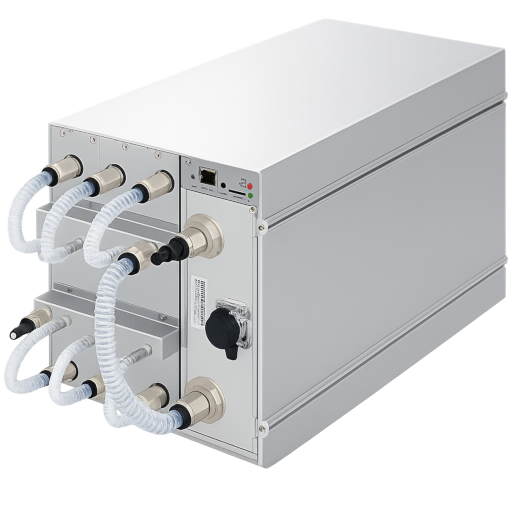
The Bitmain Antminer S21 XP Hyd is a hydro-cooled Bitcoin miner delivering 473 TH/s at an efficiency of 12 W/TH.
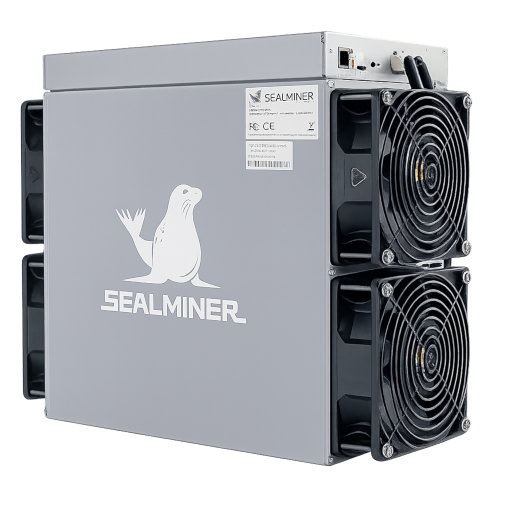
The Bitdeer Sealminer A3 Pro is an air-cooled SHA-256 miner offering 290 TH/s of computing power with an energy efficiency of 12.5 W/TH.
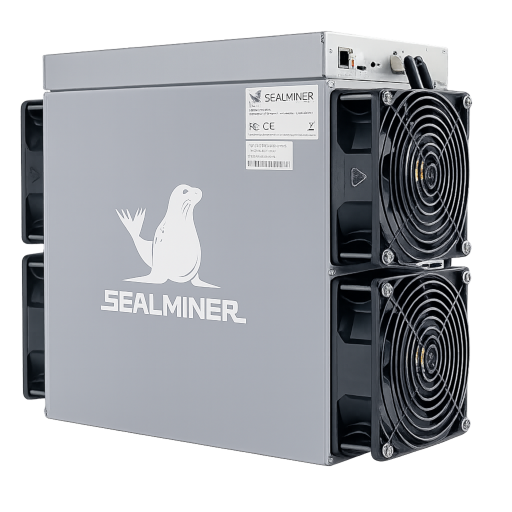
The Bitdeer Sealminer A3 is an air-cooled SHA-256 ASIC miner rated at 260 TH/s with an energy efficiency of 14 W/TH.
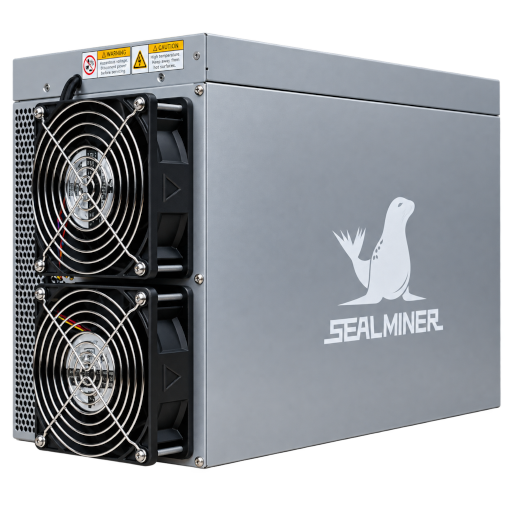
The Bitdeer Sealminer A2 is an air-cooled SHA-256 miner delivering 226 TH/s at an efficiency of 16.5 W/TH.
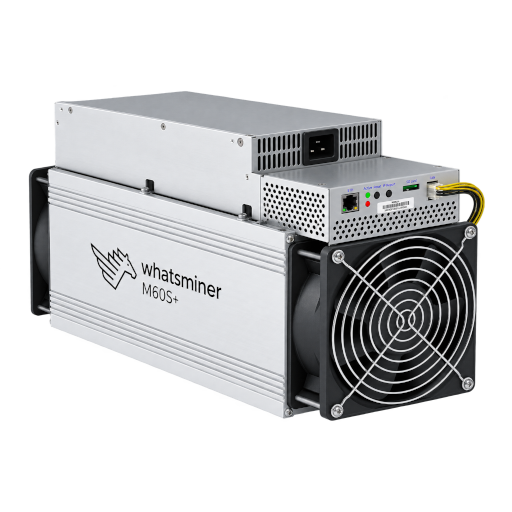
The MicroBT Whatsminer M60S+ is an air-cooled SHA-256 miner producing 212 TH/s with an energy efficiency of 16.9 W/TH.
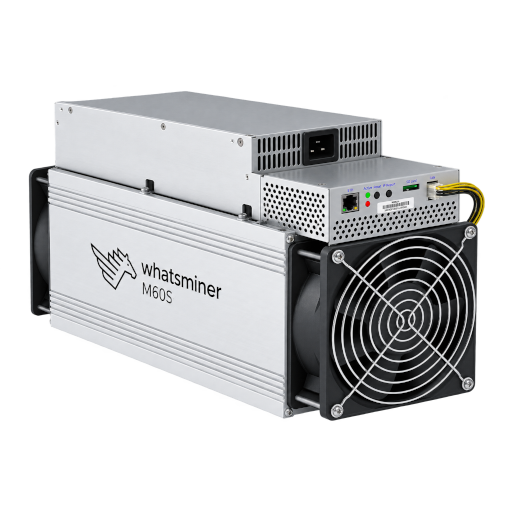
The MicroBT Whatsminer M60S is an air-cooled SHA-256 miner rated at 186 TH/s and an efficiency of 18.5 W/TH.
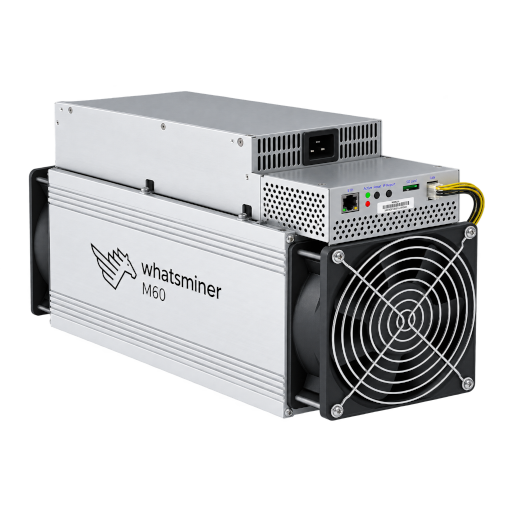
The MicroBT Whatsminer M60 is an air-cooled SHA-256 miner delivering 172 TH/s with an energy efficiency of 19.8 W/TH.
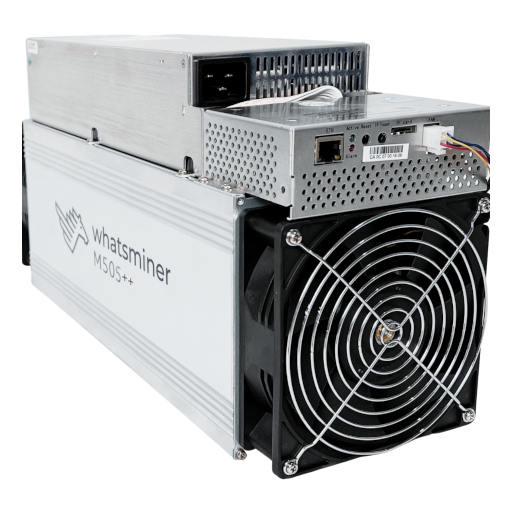
The MicroBT Whatsminer M50S++ is an air-cooled SHA-256 miner offering 162 TH/s of hashrate at an efficiency of 21 W/TH.
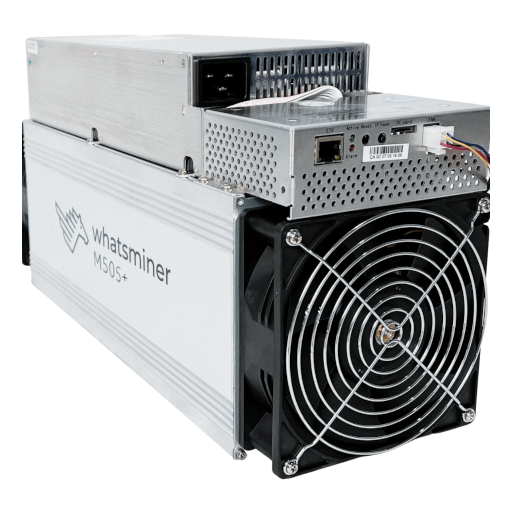
The MicroBT Whatsminer M50S+ is an air-cooled SHA-256 miner with a rated hashrate of 148 TH/s and an efficiency of 23 W/TH.
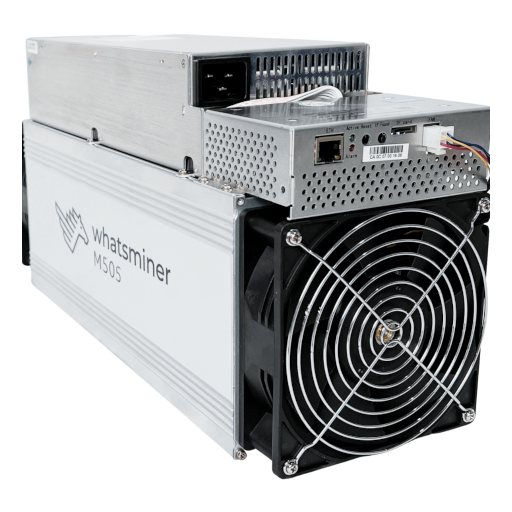
The MicroBT Whatsminer M50S is an air-cooled SHA-256 miner delivering 128 TH/s with an energy efficiency of 25.6 W/TH.
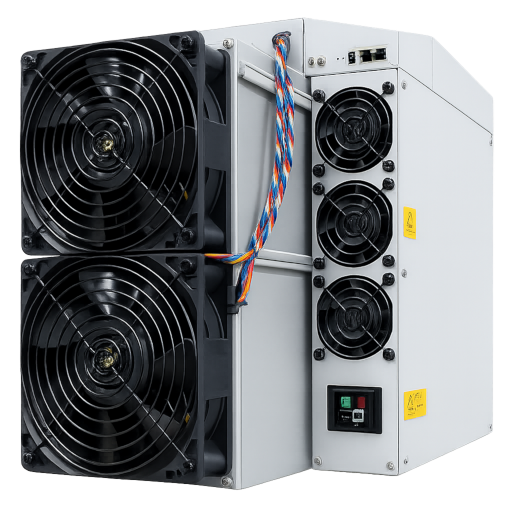
The Bitmain Antminer S19 Pro++ is an air-cooled SHA-256 miner rated at 125 TH/s with an energy efficiency of 26 W/TH.
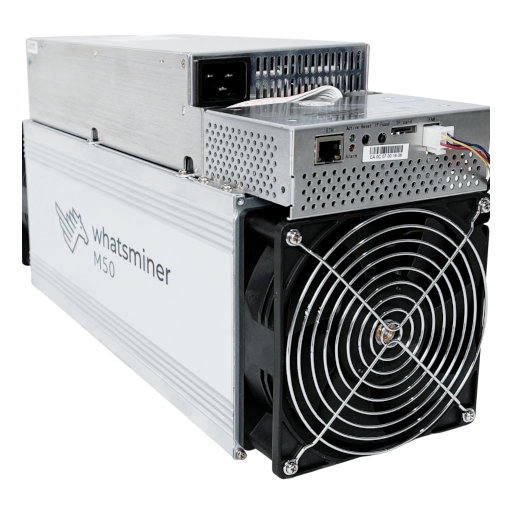
The MicroBT Whatsminer M50 is an air-cooled SHA-256 miner delivering 114 TH/s with an energy efficiency of 29 W/TH.
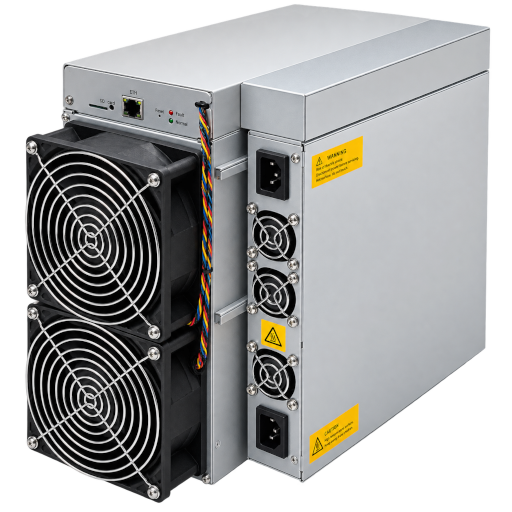
The Bitmain Antminer S19 Pro is an air-cooled SHA-256 miner rated at 110 TH/s with an energy efficiency of 29.5 W/TH.