What is Bitcoin mining
Bitcoin mining is the competition that adds the next batch of transactions to the ledger and releases new bitcoin. Computers across the network race to produce a SHA-256 result the others will accept. The first acceptable result adds the block, and the miner who found it is paid new bitcoin plus the fees in that batch. The network aims for one new block about every ten minutes.
How the competition works
A simple picture is a pile of numbered tickets, where a winning ticket has to land at or below a number the network has chosen. Nobody is handed that ticket. Each machine prints guesses as fast as it can, throws out the ones that are too high, and tries again. The first guess at or below the target wins. Bitcoin does this with cryptography. The guess is a hash, a fixed-length number produced by running the block through SHA-256. Change one character in the data and the hash becomes a different number, so the only practical way to find a winner is to try again.
The data being hashed starts as an 80-byte header. It carries a version, the hash of the previous block, a summary of the transactions, a time, the target, and a number called the nonce. The machine hashes that header. If the result is not low enough, it changes the nonce and hashes again. Almost every attempt loses. The first acceptable result is the block the network adds. Every other computer can check that result quickly. A miss is rejected. Changing an older block would change every block after it, because each header includes the hash of the one before it. The batch itself is a Bitcoin block.
What the finder is paid
The finder is paid through the coinbase, the first transaction in the block. That payment is new bitcoin, called the subsidy, plus the transaction fees from the batch. Since the 2024 halving the subsidy is 3.125 BTC per block. Fees sit on top of that, and the halving does not cut them. The supply is capped at 21 million bitcoin, so the subsidy keeps shrinking on a fixed schedule, once every 210,000 blocks. That cut is a Bitcoin halving. Mining difficulty moves the target so the ten-minute pace holds when more machines join. One machine alone can wait a very long time between blocks it finds, which is why a mining pool groups the attempts and splits a found block.
Test 14 days of ₿itcoin mining for free
Renting the attempts
Renting hashrate means taking part without buying the machine. Infinity Hash sells the attempts in TH. Hashrate is that count of attempts per second. Your TH is a share of the work in the race. More of it is a larger share of the work. It is not a fixed amount of bitcoin. The machines doing the hashing are SHA-256 ASIC miners. A graphics card can run the same math, and it is not how this race is run now.
The electricity for those attempts is taken out of the bitcoin mined that day. That cost is explained with Bitcoin mining and electricity. What remains, and when it uses your BTC payout address, is explained with Bitcoin mining rewards and payouts. Hosted hashrate and buying a miner sets the rental next to owning the ASIC. Free Testing is a way to watch one of those days before you buy.
Frequently asked questions
It is the race to add the next block of transactions. The computer that finds an acceptable hash is paid new bitcoin plus the fees in that block.
The network aims for about ten minutes. A real stretch of blocks can run a little fast or a little slow, and difficulty is what pulls the pace back.
It can run the same math, and the network will accept a valid hash from any machine. In practice the race runs on SHA-256 ASIC miners, because a general-purpose computer cannot match the attempts those chips produce.
Since the 2024 halving, the new bitcoin in a block is 3.125 BTC. The fees on the transactions in that block are added on top.
No. You rent a number of TH, and the ASIC stays in the farm. A larger share of the work is a larger share of what is mined. It is not a fixed amount of bitcoin.
Test 14 days of ₿itcoin mining for free
The latest Bitcoin miners
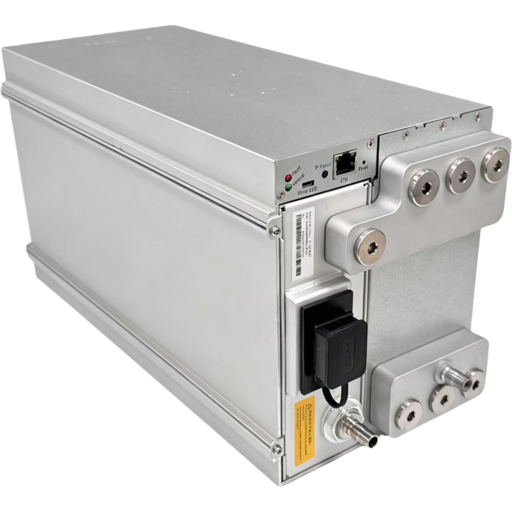
The Bitmain Antminer S23 XP Hyd is a hydro-cooled Bitcoin miner delivering 600 TH/s at an efficiency of 8.9 W/TH.
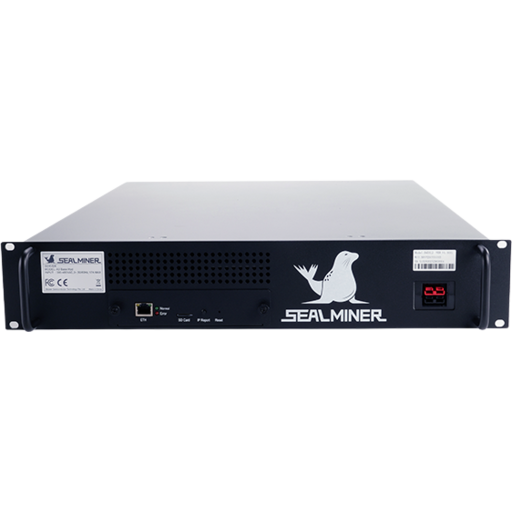
The Bitdeer Sealminer A4 Ultra Hydro is a hydro-cooled Bitcoin miner delivering 886 TH/s at an efficiency of 9.45 W/TH.
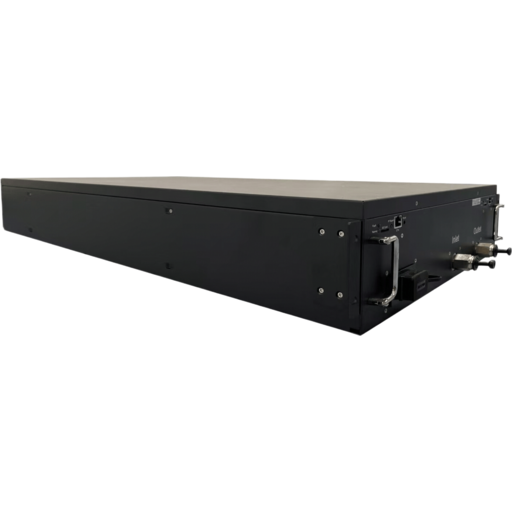
The Bitmain Antminer S23 Hyd 3U is a hydro-cooled Bitcoin miner delivering 1160 TH/s at an efficiency of 9.5 W/TH.
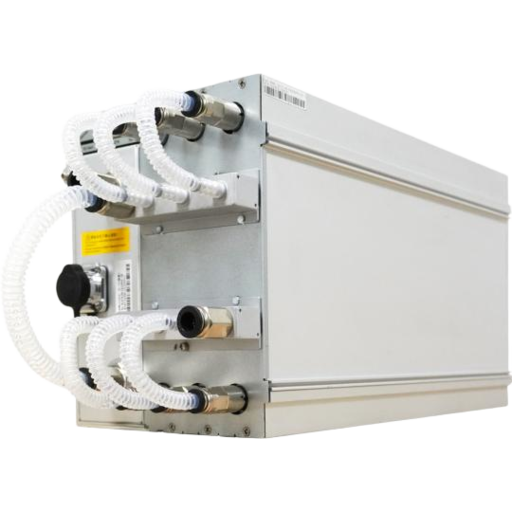
The Bitmain Antminer S23 Hyd is a hydro-cooled Bitcoin miner delivering 580 TH/s at an efficiency of 9.5 W/TH.
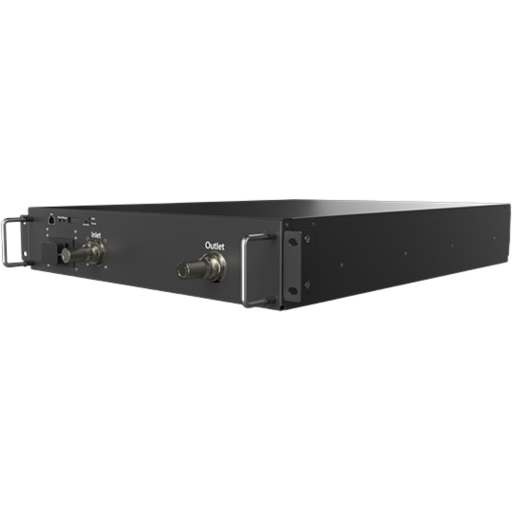
The Bitmain Antminer S23e Hyd 2U is a hydro-cooled Bitcoin miner delivering 865 TH/s at an efficiency of 10 W/TH.
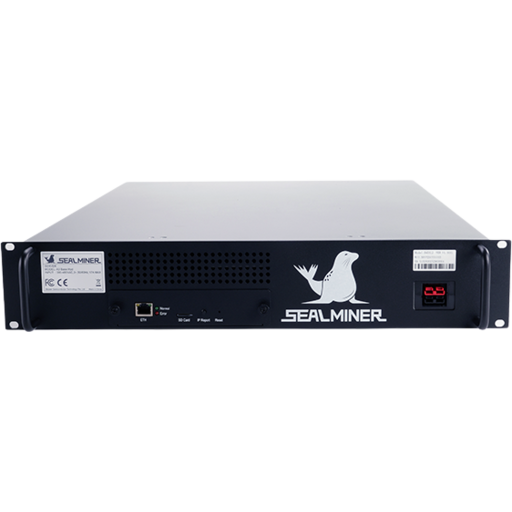
The Bitdeer Sealminer A4 Pro Hydro is a hydro-cooled Bitcoin miner delivering 680 TH/s at an efficiency of 10.9 W/TH.
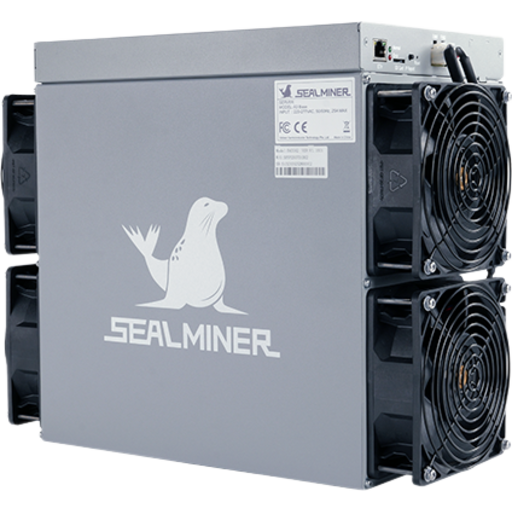
The Bitdeer Sealminer A4 Pro Air is an air-cooled Bitcoin miner delivering 336 TH/s at an efficiency of 10.9 W/TH.
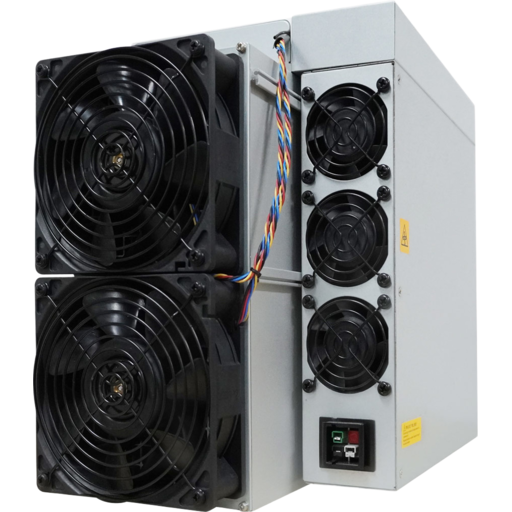
The Bitmain Antminer S23 is an air-cooled Bitcoin miner delivering 318 TH/s at an efficiency of 11 W/TH.
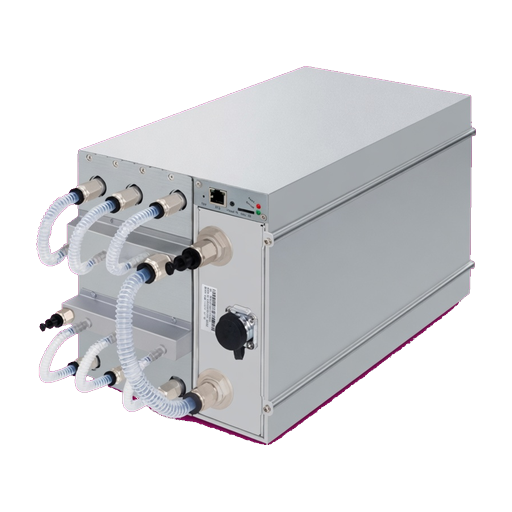
The Bitmain Antminer S21 XP+ Hyd is a hydro-cooled Bitcoin miner delivering 500 TH/s at an efficiency of 12 W/TH.
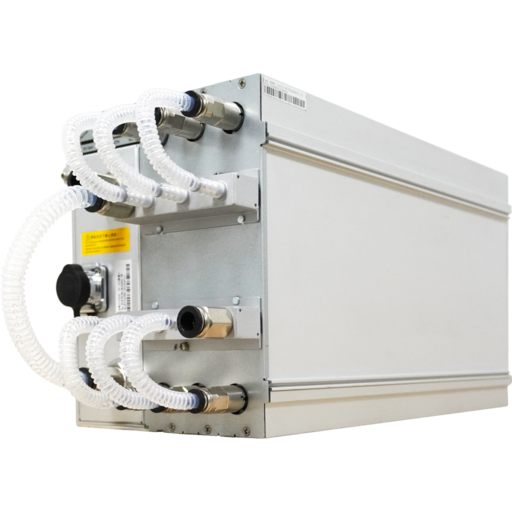
The Bitmain Antminer S21j XP Hyd is a hydro-cooled Bitcoin miner delivering 495 TH/s at an efficiency of 12 W/TH.