ETC Mining
How traditional Ethereum Classic mining works
Ethereum Classic (ETC) is a decentralized, open-source blockchain that operates on the original Ethereum protocol. Originally, the idea was to preserve Ethereum’s immutability, based on a “code is law” philosophy. As opposed to Ethereum, Ethereum Classic employs a Proof of Work (PoW) consensus mechanism, using mining for transaction validation and network security.
Ethereum Classic (ETC) uses the Etchash algorithm, a modified version of Ethash tailored for its network. While the algorithm remains compatible with both GPUs and ASICs, with average electricity costs even the most efficient GPUs cannot compete. As a result, mining Ethereum Classic profitably now requires specialized ASIC miners, which deliver the hash power and energy efficiency needed to outpace rising network difficulty.
The current block reward stands at 2.56 ETC, with block times averaging around 13 seconds. Ethereum Classic’s steadfast commitment to Proof of Work (PoW) ensures that miners continue to play a vital role in securing the network. This also provides an alternative for those who transitioned from Ethereum mining after its shift to Proof of Stake, keeping ETC a decentralized and immutable blockchain.
Ethereum Classic mining pools
Joining a mining pool improves your chances of earning consistent rewards. Here are some of the top ETC mining pools:
- Nanopool: A user-friendly pool with robust global server support.
- f2pool: Known for its stability and competitive payout systems.
- 2Miners: Offers intuitive interfaces and low payout thresholds.
- Cruxpool: Provides a PPS scheme with low fees and frequent payouts.
Ethereum Classic mining algorithm
Ethereum Classic employs Etchash, a modified version of the Hashimoto-Dagger algorithm originally used by Ethereum. This adjustment was implemented following the ECIP-1099 proposal, which shifted the network from Ethash to Etchash. The primary goal of this transition was to optimize the network’s DAG (Directed Acyclic Graph) management by reducing its size and slowing its growth rate.
Etchash retains the core features of Ethash, including memory-intensive hashing to deter centralization. The shift to Etchash was also aimed at prolonging the network’s decentralization by preventing the obsolescence of older mining hardware. While this design keeps GPU mining technically viable, ASIC miners dominate due to their superior hash rates and energy efficiency.
Test 14 days of ₿itcoin mining for free
How to set up an ETC mining rig
-
1. Choose Ethereum Classic mining hardware
You can mine ETC using either ASIC miners or GPUs. Consider factors such as hash rate, power consumption, and upfront costs to maximize profitability. You can see a list of Etchash miners here.
-
2. Set up a Ethereum Classic wallet
You’ll need a wallet to store your mined ETC. Some popular options include: Hardware wallet (Ledger, Trezor), software wallets (Exodus, Trust Wallet), and desktop wallets (Atomic Wallet, Coinomi).
-
3. Download and Configure Ethereum Classic Mining Software
After setting up your hardware, choose mining software that supports your hardware and OS. Top picks include: lolMiner (efficient and user-friendly), Claymore Dual Miner (ideal for dual mining), Ethminer (open-source and versatile), and NBMiner (well-suited for both AMD and Nvidia GPUs).
-
4. Join an Ethereum Classic Mining Pool
Joining a pool increases your chances of earning consistent rewards. Choose a pool from the list above and follow its setup guide to connect your mining software.
-
5. Start Mining Ethereum Classic
Launch your mining software and monitor performance metrics such as hash rate, temperature, and earnings through the pool’s dashboard. Ensure optimal conditions with proper cooling and stable internet.
Frequently asked questions
Ethereum Classic (ETC) emerged from a contentious 2016 hard fork of the Ethereum network, preserving the original Ethereum blockchain after the DAO hack. It adheres to the principle of immutability, rejecting changes to its ledger regardless of security breaches or errors. Operating on a Proof of Work (PoW) consensus, ETC retains compatibility with smart contracts and decentralized applications (dApps). However, it has struggled with reduced developer activity, security challenges, and competition from Ethereum’s growing ecosystem, particularly after Ethereum’s transition to Proof of Stake (PoS).
Yes, ETC uses a PoW consensus mechanism, making it accessible to miners using GPUs or ASICs.
ASICs like the Jasminer models provide the best profitability. Find here a list of all hardware with profitability data.
Profitability depends on your hardware efficiency, electricity costs, and ETC’s market price. Use a mining calculator for precise estimates.
Yes, with tools like Claymore, you can mine ETC alongside coins like Siacoin, maximizing your rewards.
Popular options include Nanopool, f2pool and 2miners.
ETC mining links
These are essential links for Ethereum Classic mining:
Ethereum Classic miners
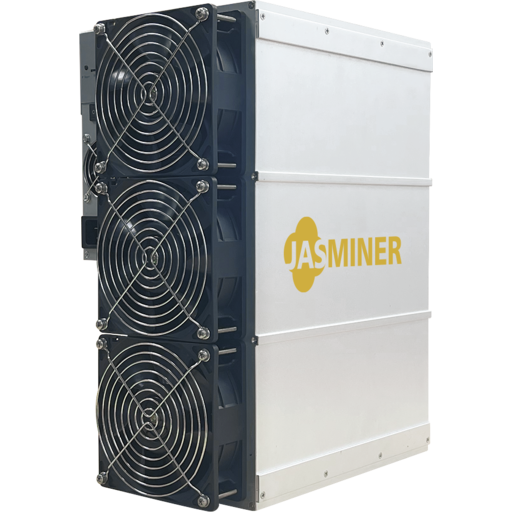
The Jasminer X44-P is an air-cooled EtHash ASIC for Ethereum Classic mining, rated at 23.4 Gh/s and 2,550 W (0.109 W/MH).
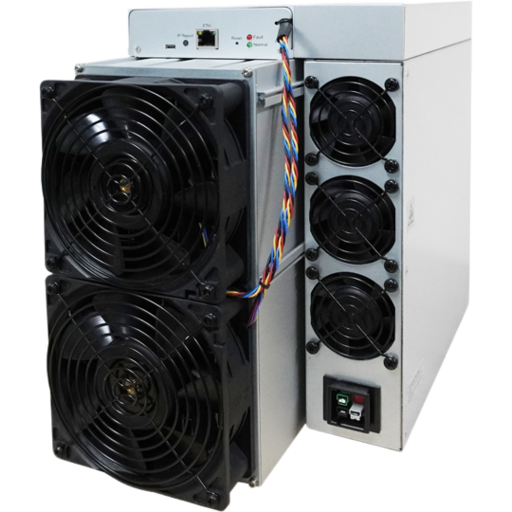
The Bitmain Antminer E11 9.5Gh is an air-cooled EtHash ASIC for Ethereum Classic mining, rated at 9.5 Gh/s and 2,470 W (0.26 W/MH).
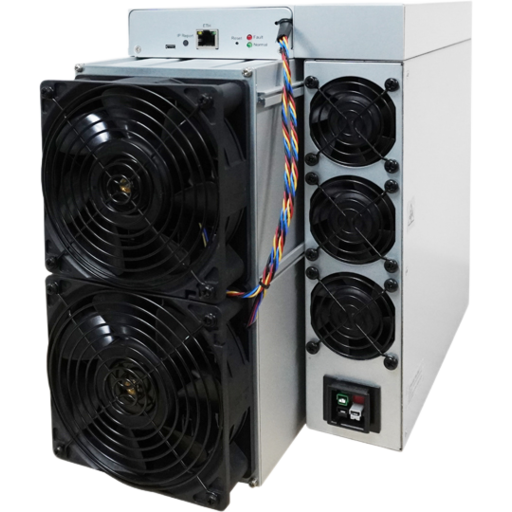
The Bitmain Antminer E11 9Gh is an air-cooled EtHash ASIC for Ethereum Classic mining, rated at 9 Gh/s and 2,340 W (0.26 W/MH).
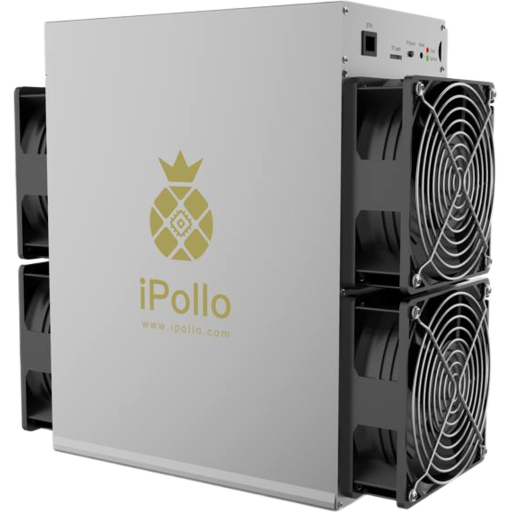
The iPollo V2 is an air-cooled EtHash ASIC for Ethereum Classic mining, rated at 10 Gh/s and 1,500 W (0.15 W/MH).
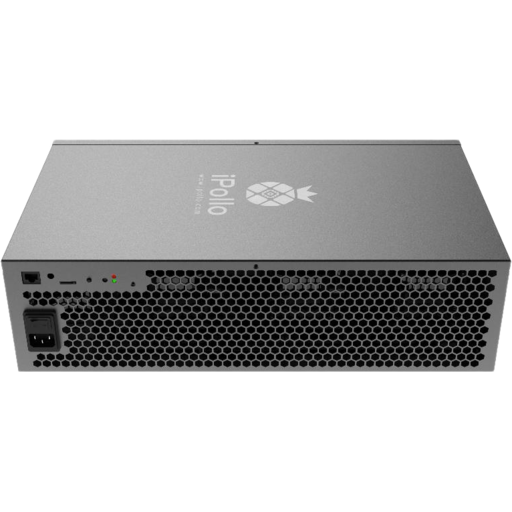
The iPollo V2H is an air-cooled EtHash ASIC for Ethereum Classic mining, rated at 3.4 Gh/s and 475 W (0.14 W/MH).
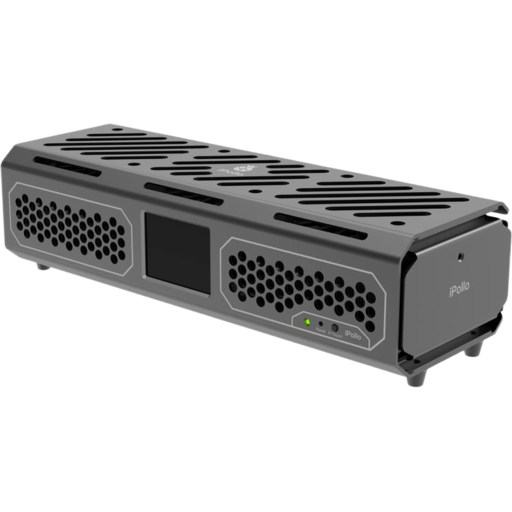
The iPollo V2X is a compact air-cooled EtHash ASIC for Ethereum Classic mining, rated at 1.2 Gh/s and 165 W (0.138 W/MH).
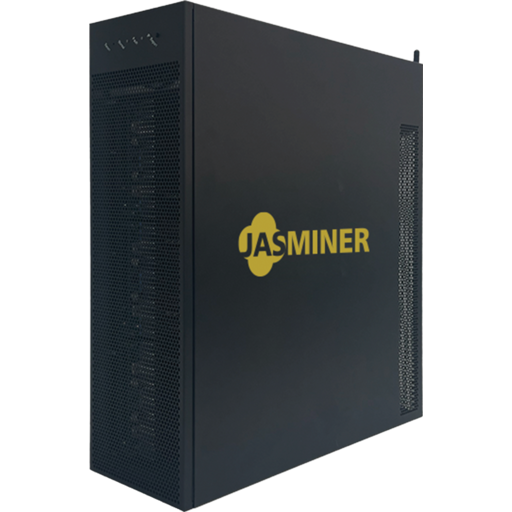
The Jasminer X16-QE is an air-cooled EtHash ASIC for Ethereum Classic mining, rated at 1.75 Gh/s and 550 W (0.314 W/MH).
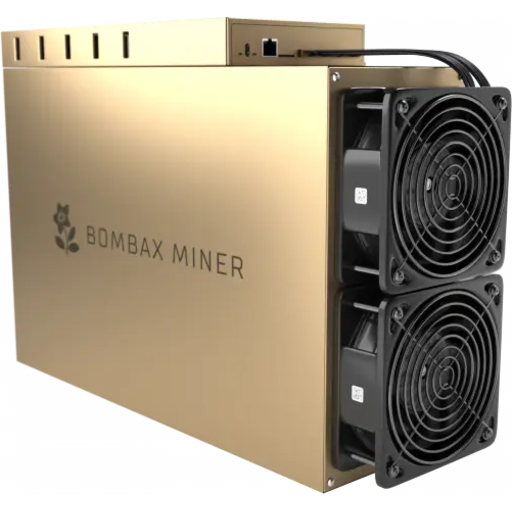
The Bombax EZ100 Pro is an air-cooled EtHash ASIC for Ethereum Classic mining, rated at 15.5 Gh/s and 3,100 W (0.2 W/MH).
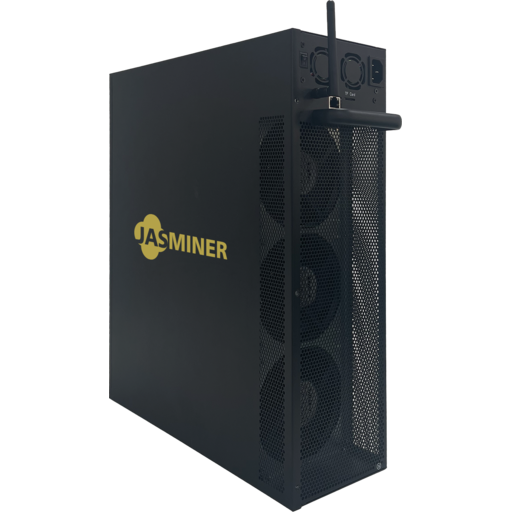
The Jasminer X16-Q Pro is an air-cooled EtHash ASIC for Ethereum Classic mining, rated at 2.05 Gh/s and 520 W (0.254 W/MH).
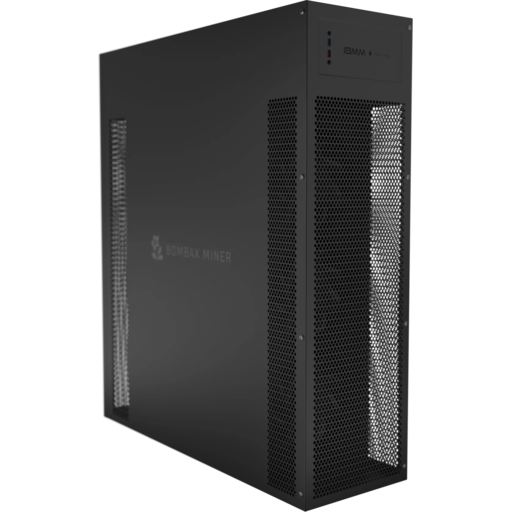
The Bombax EZ100-C is an air-cooled EtHash ASIC for Ethereum Classic mining, rated at 3.8 Gh/s and 760 W (0.2 W/MH).