What is hashrate
Hashrate is how many SHA-256 attempts a machine, or the whole network, makes per second. It counts guesses. It does not count transactions, and it does not by itself say how much bitcoin those guesses will return.
What a terahash counts
The basic unit is one hash per second. Each step up is a thousand times larger. One TH/s is one trillion SHA-256 attempts in one second. One PH/s is a thousand TH/s. One EH/s is a thousand PH/s. A single modern ASIC is quoted in terahashes. The Bitcoin network is quoted in exahashes. Add every machine that is hashing and you have the network hashrate. Your number is the slice of those attempts working on your side.
Nobody attaches a meter to every miner. A published network hashrate is an estimate from how fast blocks have been found and what the difficulty was. The attempts themselves are the race in Bitcoin mining, aimed at adding a Bitcoin block. They count while the machine is hashing.
Test 14 days of ₿itcoin mining for free
A larger share is not a promised reward
More hashrate is a larger share of the work, not a promised reward. If you rent twice the TH/s, you supply about twice the attempts, and your share of what the pool mines is about twice as large while that hashrate is hashing. The network still adds one block at a time. Mining difficulty moves so those blocks stay near ten minutes, which means a busier network makes each terahash a smaller fraction of the whole. A Bitcoin halving changes how much new bitcoin a block carries. Neither one turns a TH/s figure into a fixed amount of bitcoin.
What you rent here
You rent a number of TH/s. The attempts run on SHA-256 ASIC miners such as the Antminer S21 XP Hyd, the Whatsminer M60, and the Antminer S19 Pro. That kind of machine is an ASIC miner. You don't take it home. Hosted hashrate and buying a miner puts the rental next to owning one.
A mining pool combines your TH/s with the rest of the farm and splits a found block. Bitcoin mining and electricity is the watts those attempts draw, taken out of the bitcoin. Bitcoin mining rewards and payouts is where you see the day that follows. If you want to see that day before you buy TH/s, use Free Testing.
Frequently asked questions
Terahashes per second. One TH/s is one trillion SHA-256 attempts in one second.
No. It is estimated from how quickly blocks are found and from the difficulty in force at the time.
It means a larger share of the work. The bitcoin from that share still moves with difficulty, fees, and the halving.
Your TH/s is the attempts on your side. The network hashrate is every machine hashing at once, usually quoted in exahashes.
Test 14 days of ₿itcoin mining for free
The latest Bitcoin miners
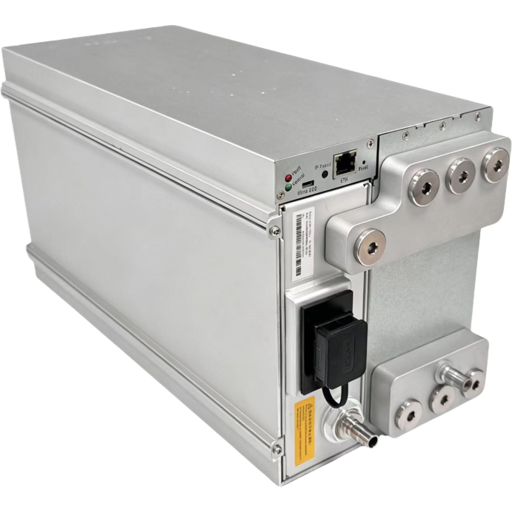
The Bitmain Antminer S23 XP Hyd is a hydro-cooled Bitcoin miner delivering 600 TH/s at an efficiency of 8.9 W/TH.
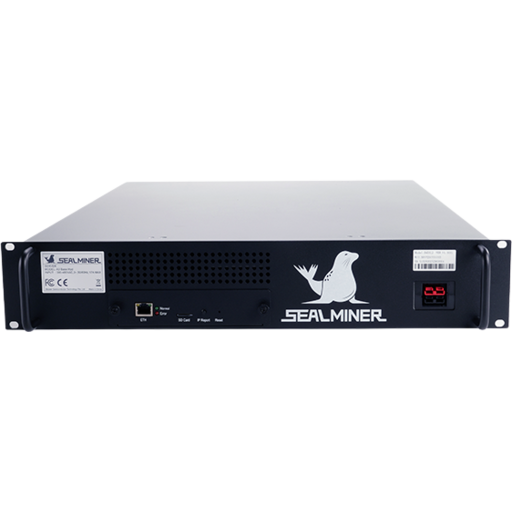
The Bitdeer Sealminer A4 Ultra Hydro is a hydro-cooled Bitcoin miner delivering 886 TH/s at an efficiency of 9.45 W/TH.
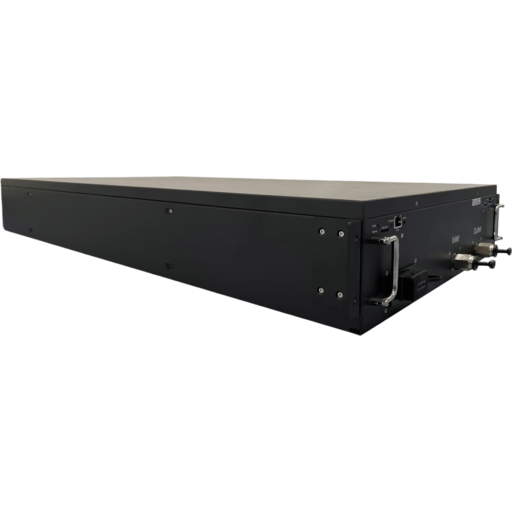
The Bitmain Antminer S23 Hyd 3U is a hydro-cooled Bitcoin miner delivering 1160 TH/s at an efficiency of 9.5 W/TH.
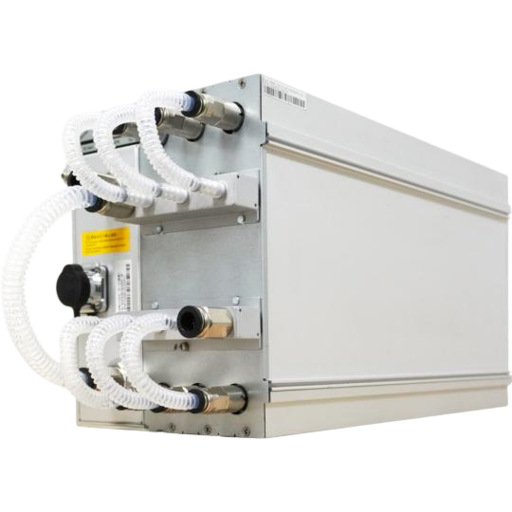
The Bitmain Antminer S23 Hyd is a hydro-cooled Bitcoin miner delivering 580 TH/s at an efficiency of 9.5 W/TH.
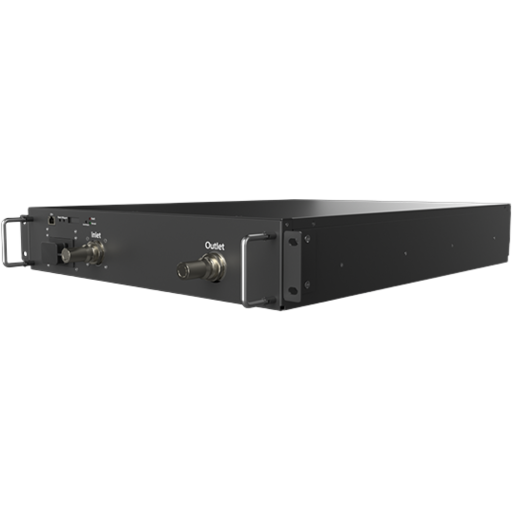
The Bitmain Antminer S23e Hyd 2U is a hydro-cooled Bitcoin miner delivering 865 TH/s at an efficiency of 10 W/TH.
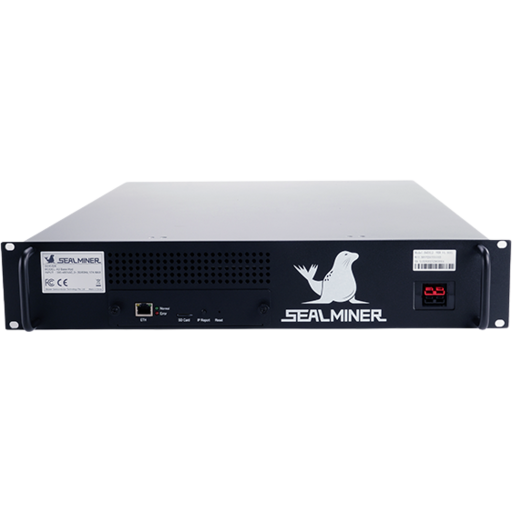
The Bitdeer Sealminer A4 Pro Hydro is a hydro-cooled Bitcoin miner delivering 680 TH/s at an efficiency of 10.9 W/TH.
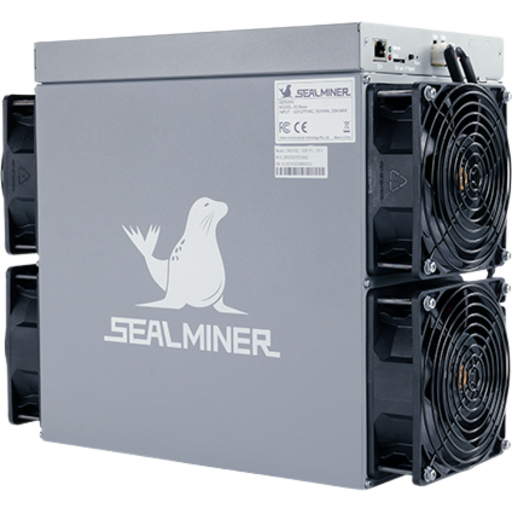
The Bitdeer Sealminer A4 Pro Air is an air-cooled Bitcoin miner delivering 336 TH/s at an efficiency of 10.9 W/TH.
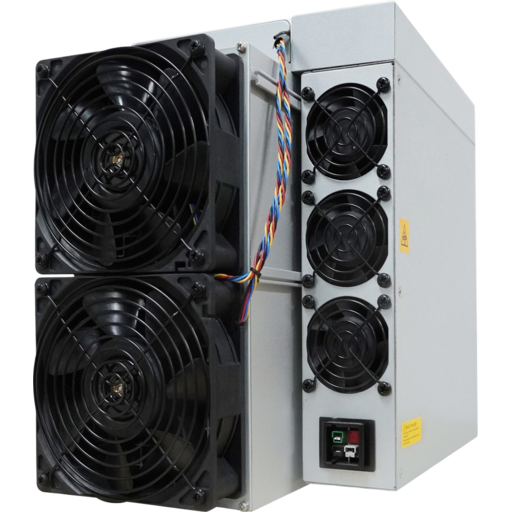
The Bitmain Antminer S23 is an air-cooled Bitcoin miner delivering 318 TH/s at an efficiency of 11 W/TH.
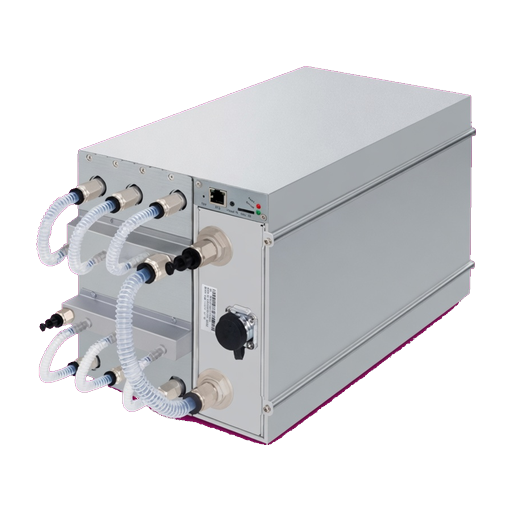
The Bitmain Antminer S21 XP+ Hyd is a hydro-cooled Bitcoin miner delivering 500 TH/s at an efficiency of 12 W/TH.
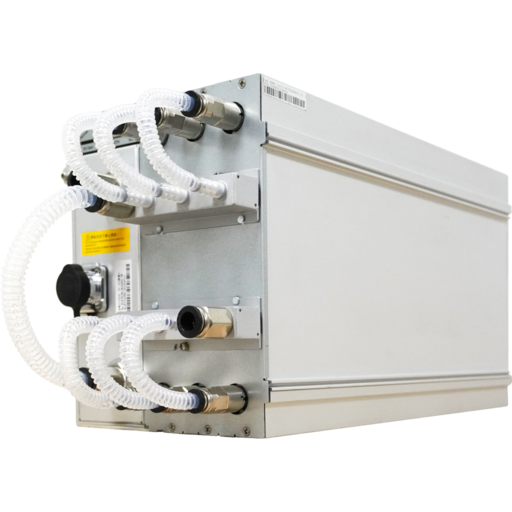
The Bitmain Antminer S21j XP Hyd is a hydro-cooled Bitcoin miner delivering 495 TH/s at an efficiency of 12 W/TH.