What is a Bitcoin block
A Bitcoin block is one batch of transactions the network has accepted, together with a short header that ties that batch to the block before it. The target time for a new block is about ten minutes. Once a block is accepted, the payments inside it are part of the ledger the rest of the network builds on.
What the header commits to
The header is 80 bytes. It carries a version, the hash of the previous block, a Merkle root, a time, the difficulty target, and a nonce. The Merkle root is one hash built by pairing every transaction hash until a single value is left. Change, drop, or reorder any transaction and that root changes, so the header no longer matches the batch. Under the header is the list of transactions. The first is the coinbase, which pays the miner the subsidy and the fees. The rest are payments people have sent.
Each header includes the hash of the previous block, which is why the history is called a chain. Rewrite an old batch and that block has to be redone, along with every block after it, while the rest of the network keeps extending the chain it already has. The work that earns the right to add a block is Bitcoin mining. One confirmation means the payment sits in a block. Wallets and exchanges often wait for more blocks on top before they treat a large payment as settled, because each extra block makes a rewrite harder. Six confirmations is a common house rule. The protocol does not require that number. A Bitcoin halving cuts only the new bitcoin in the coinbase. It leaves the fees alone.
Test 14 days of ₿itcoin mining for free
Two spans that sit on the ten minutes
210,000 blocks is the halving span. At about ten minutes a block, that span is about four years, and then the new bitcoin in each block is cut in half. 2,016 blocks is the difficulty span. At the same ten-minute target, that is about two weeks, which is when mining difficulty can change. Ten minutes is a target the network steers toward, not a clock, so a real stretch of blocks can run a little fast or a little slow.
A block when the hashrate is rented
You do not assemble the batch. A pool prepares the work, ASIC miners hash the header, and a block is found when one attempt is accepted. Your rented hashrate, counted in TH, is your share of those attempts. A mining pool is how a found block is split. The machines are SHA-256 ASIC miners.
The electricity those attempts use comes out of the bitcoin mined that day, which is Bitcoin mining and electricity. Bitcoin mining rewards and payouts is the day that follows a stretch of blocks: bitcoin mined, electricity taken out, and what is left. Hosted hashrate and buying a miner is how you take part by renting the attempts instead of owning a machine.
Frequently asked questions
An 80-byte header and a list of transactions. The header points at the previous block and carries a Merkle root that commits to every transaction in the list.
The target is about ten minutes. Difficulty is what pulls a fast or slow stretch back toward that pace.
The miner that found it, through the coinbase transaction. That payment is new bitcoin plus the fees on the transactions in the block.
The payment is included in one block. Each block built on top of that one is another confirmation. Wallets often wait for several before they treat a large payment as settled.
Test 14 days of ₿itcoin mining for free
The latest Bitcoin miners
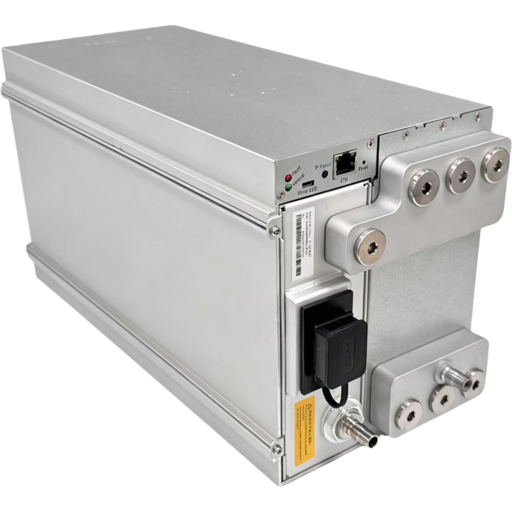
The Bitmain Antminer S23 XP Hyd is a hydro-cooled Bitcoin miner delivering 600 TH/s at an efficiency of 8.9 W/TH.
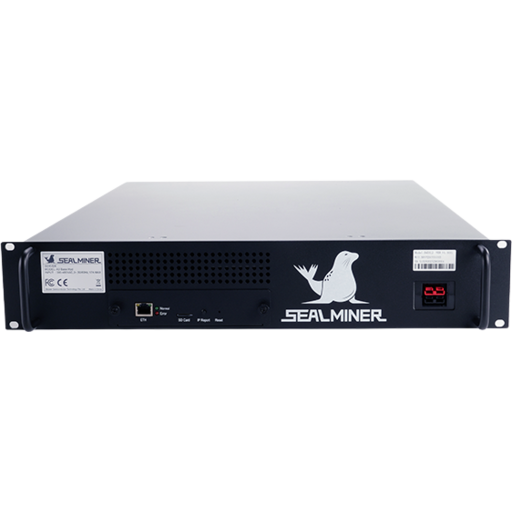
The Bitdeer Sealminer A4 Ultra Hydro is a hydro-cooled Bitcoin miner delivering 886 TH/s at an efficiency of 9.45 W/TH.
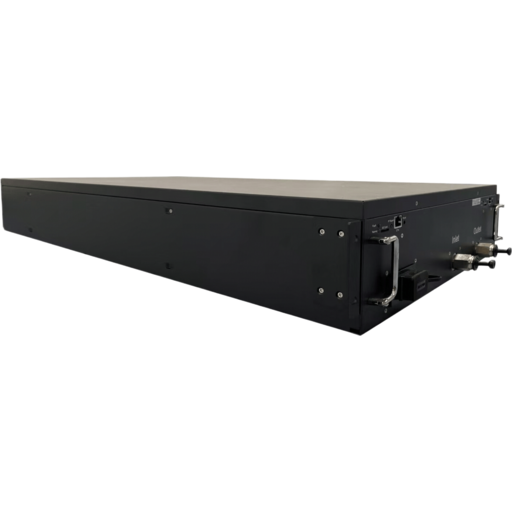
The Bitmain Antminer S23 Hyd 3U is a hydro-cooled Bitcoin miner delivering 1160 TH/s at an efficiency of 9.5 W/TH.
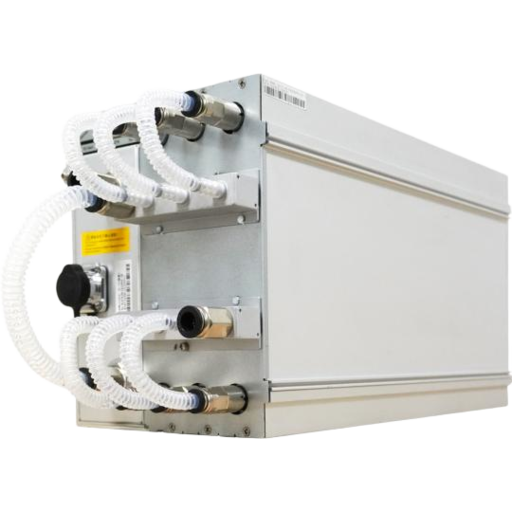
The Bitmain Antminer S23 Hyd is a hydro-cooled Bitcoin miner delivering 580 TH/s at an efficiency of 9.5 W/TH.
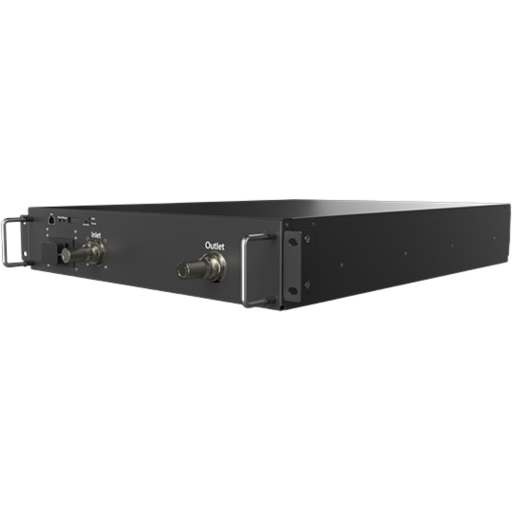
The Bitmain Antminer S23e Hyd 2U is a hydro-cooled Bitcoin miner delivering 865 TH/s at an efficiency of 10 W/TH.
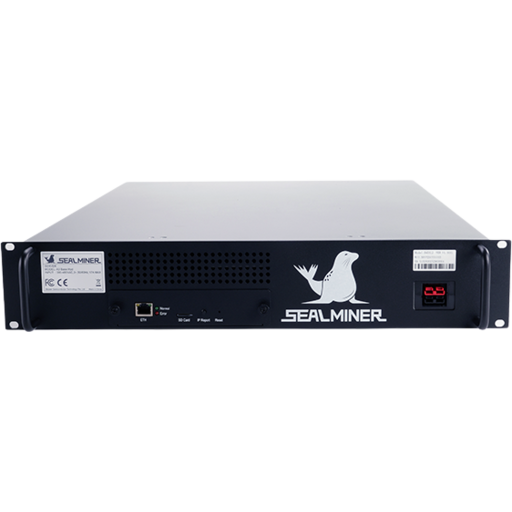
The Bitdeer Sealminer A4 Pro Hydro is a hydro-cooled Bitcoin miner delivering 680 TH/s at an efficiency of 10.9 W/TH.
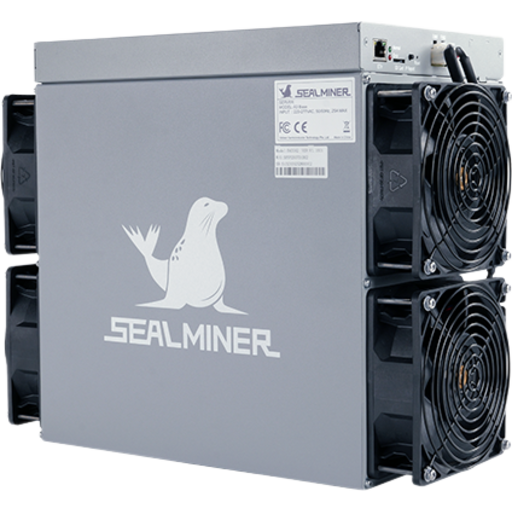
The Bitdeer Sealminer A4 Pro Air is an air-cooled Bitcoin miner delivering 336 TH/s at an efficiency of 10.9 W/TH.
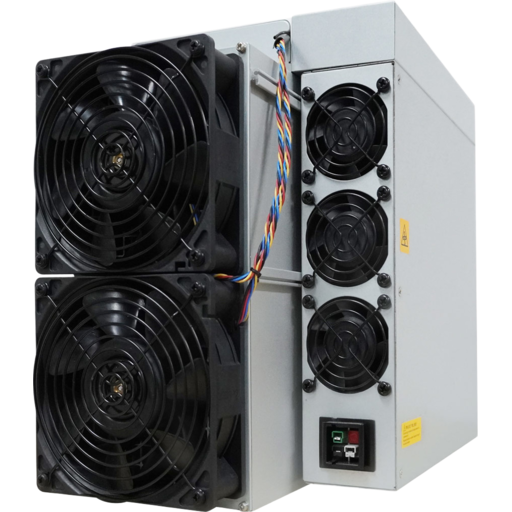
The Bitmain Antminer S23 is an air-cooled Bitcoin miner delivering 318 TH/s at an efficiency of 11 W/TH.
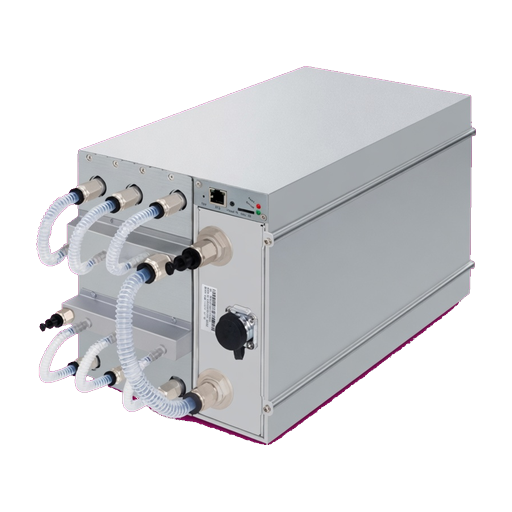
The Bitmain Antminer S21 XP+ Hyd is a hydro-cooled Bitcoin miner delivering 500 TH/s at an efficiency of 12 W/TH.
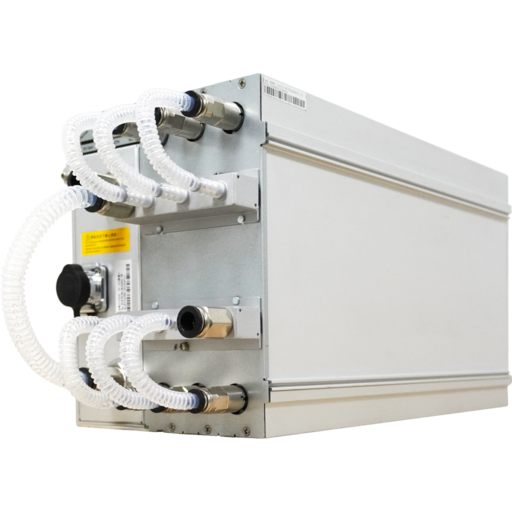
The Bitmain Antminer S21j XP Hyd is a hydro-cooled Bitcoin miner delivering 495 TH/s at an efficiency of 12 W/TH.