LTC Mining
How traditional Litecoin mining works
Litecoin, created in 2011, operates as a decentralized cryptocurrency with a Proof of Work (PoW) consensus mechanism, similar to Bitcoin. It was designed to offer faster transaction speeds and improved scalability compared to Bitcoin, primarily through its use of the Scrypt algorithm. Scrypt was initially aimed at promoting decentralization by enabling mining with less powerful hardware, but over time, Scrypt-specific ASIC miners have become necessary to keep up with Litecoin’s mining difficulty. With block times of just 2.5 minutes, Litecoin allows for quick transaction processing, and miners earn a reward of 6.25 LTC per block.
Litecoin mining pools
To increase profitability, most Litecoin miners join mining pools, combining computational power with other miners to improve chances of earning rewards. Some popular Litecoin mining pools include:
- Litecoinpool.org: Known for its stability and zero-fee structure, suitable for Scrypt-based mining.
- AntPool: Supports multiple coins, including Litecoin and Dogecoin, for merged mining.
- Prohashing: Offers flexible payout options and supports merged mining with DOGE.
- F2Pool: One of the largest pools globally, providing detailed analytics and profitability tracking.
Litecoin mining algorithm
Litecoin uses the Scrypt algorithm, which requires memory-intensive computations, differentiating it from Bitcoin’s SHA-256. Scrypt was initially designed to be ASIC-resistant, favoring accessibility for miners with standard hardware, but it evolved to accommodate ASICs over time. This algorithm’s memory-hard design helps keep energy consumption low while supporting faster block generation times and lower transaction fees, making it efficient for frequent transactions. Additionally, Scrypt’s structure enables merged mining with other Scrypt-based cryptocurrencies, like Dogecoin, allowing miners to maximize rewards without added energy consumption.
Test 14 days of ₿itcoin mining for free
How to set up a LTC mining rig
-
1. Choose Litecoin mining hardware
ASIC miners are the most efficient for mining Litecoin due to their high hash rates and energy efficiency. Recommended models include Bitmain’s Antminer L3+ and the Apollo LTC Pod. Evaluate each option based on hash rate, power consumption, and durability to maximize your mining operation’s profitability. You can find a list of miner options here.
-
2. Set up a Litecoin wallet
In order to store your earnings you’ll need a Litecoin-compatible wallet. Options include: Hardware wallets (Ledger, Trezor), software wallets (Atomic Wallet, Trust Wallet), desktop wallets (Litecoin Core, Exodus).
-
3. Download and configure Litecoin mining software
Connect your hardware to the Litecoin blockchain using mining software compatible with your device. Popular software options include CGMiner, EasyMiner, and BFGMiner. Configure your software with the pool’s address and your wallet details for efficient monitoring.
-
4. Join a Litecoin mining pool (optional)
While solo mining is possible, joining a mining pool can increase your chances of earning consistent rewards. Pools like Litecoinpool.org, AntPool, and Prohashing provide setup documentation to help with configuration.
-
4. Start mining Litecoin
Launch your mining software and monitor key metrics, such as hash rate and power usage, through the software or mining pool’s dashboard. Keep your setup optimized by monitoring hardware temperatures and maintaining a stable internet connection.
Frequently asked questions
Litecoin (LTC) is one of the earliest Bitcoin derivatives, launched in 2011 to provide faster transaction times and lower fees. Known as the “silver to Bitcoin’s gold,” Litecoin utilizes the Scrypt hashing algorithm, which allows for more accessible mining compared to Bitcoin’s SHA-256. Its robust network and longevity make it a widely accepted payment option and a testing ground for blockchain innovations like Segregated Witness (SegWit) and the Lightning Network. However, Litecoin has faced criticism for its lack of distinctiveness compared to Bitcoin and challenges in maintaining developer engagement.
Profitability depends on factors like hardware efficiency, electricity costs, and LTC market price. ASIC miners in low-cost electricity areas have the best chance of profitability.
While technically possible, GPU mining is not profitable for Litecoin due to the dominance of ASIC miners on the network.
Block times are around 2.5 minutes, yielding 6.25 LTC per block. Solo miners typically aim to mine blocks rather than individual coins.
Yes, mining software like CGMiner, EasyMiner, and BFGMiner connects your hardware to the Litecoin blockchain and facilitates monitoring.
Litecoin mining links
These are essential links for Litecoin mining:
LTC + DOGE miners
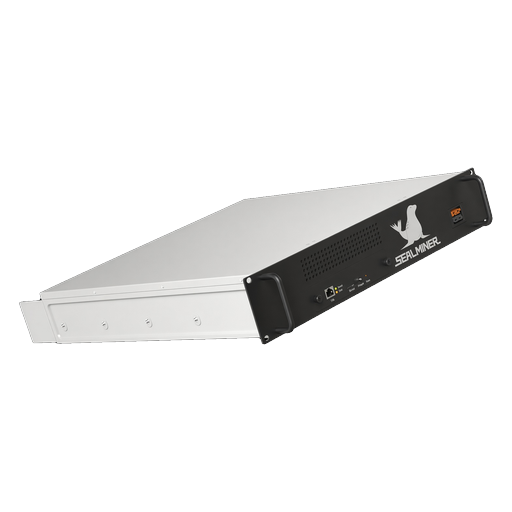
The Bitdeer SealMiner DL1 Hydro is a hydro-cooled Scrypt ASIC for Litecoin and Dogecoin merged mining, rated at 52.5 Gh/s and 7,823 W (0.149 W/MH).
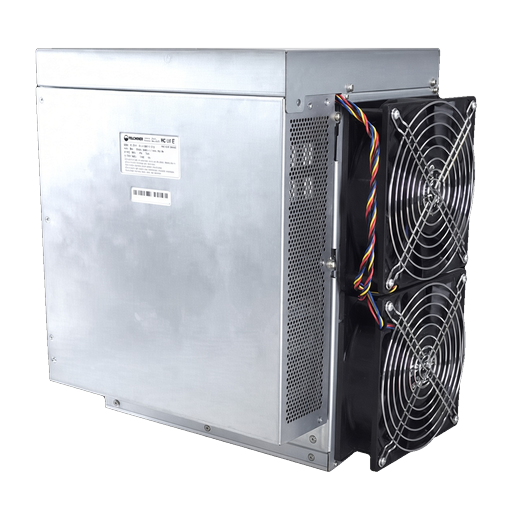
The Bitdeer SealMiner DL1 Air is a air-cooled Scrypt ASIC for Litecoin and Dogecoin merged mining, rated at 25 Gh/s and 3,725 W (0.149 W/MH).
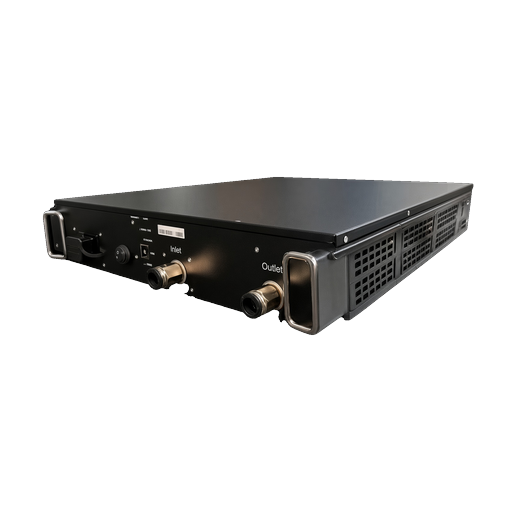
The Bitmain Antminer L11 Hyd 2U is a hydro-cooled Scrypt ASIC for Litecoin and Dogecoin merged mining, rated at 35 Gh/s and 5,775 W (0.165 W/MH).
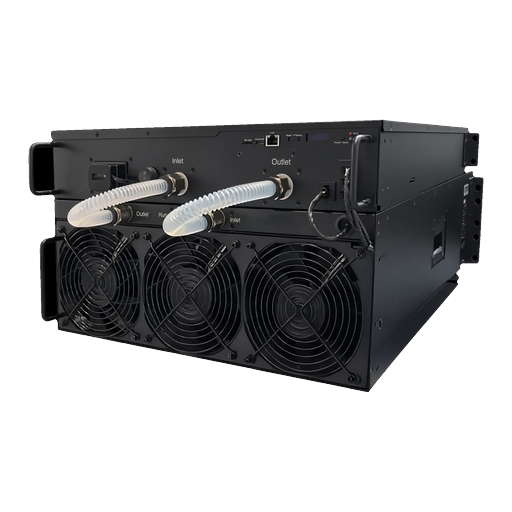
The Bitmain Antminer L11 Hyd 6U is a hydro-cooled Scrypt ASIC for Litecoin and Dogecoin merged mining, rated at 33 Gh/s and 5,676 W (0.172 W/MH).
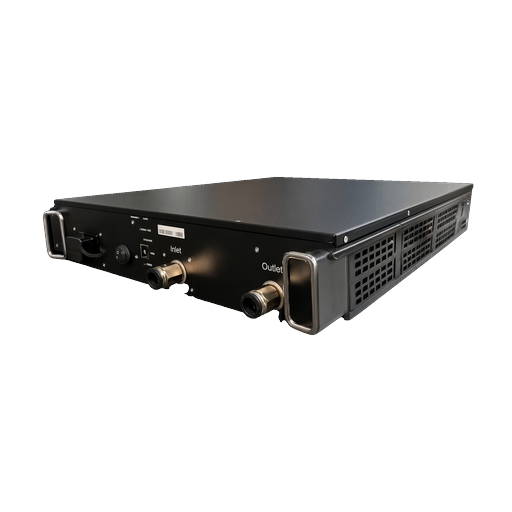
The Bitmain Antminer L9 Hyd 2U is a hydro-cooled Scrypt ASIC for Litecoin and Dogecoin merged mining, rated at 27 Gh/s and 5,670 W (0.21 W/MH).
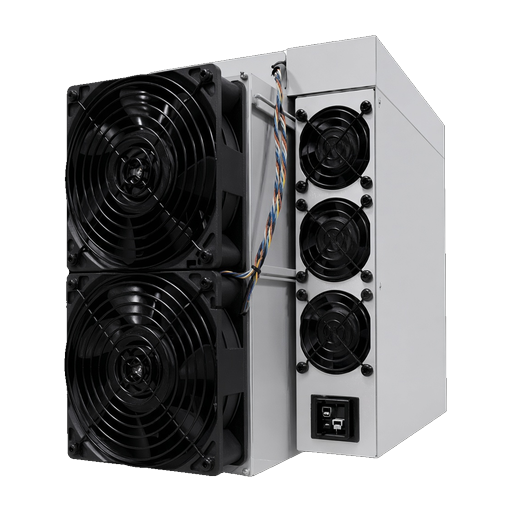
The Bitmain Antminer L11 Pro is a air-cooled Scrypt ASIC for Litecoin and Dogecoin merged mining, rated at 21 Gh/s and 3,612 W (0.172 W/MH).
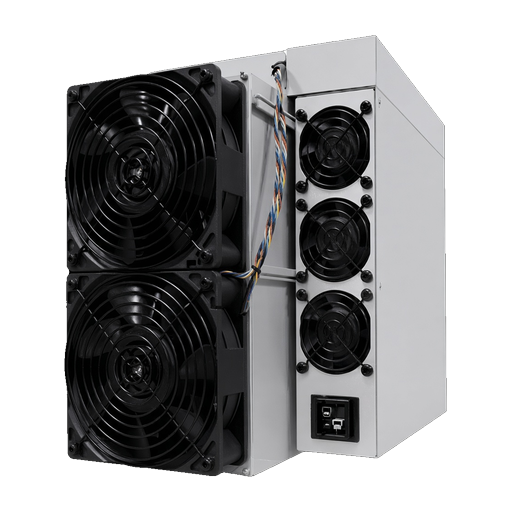
The Bitmain Antminer L11 is a air-cooled Scrypt ASIC for Litecoin and Dogecoin merged mining, rated at 20 Gh/s and 3,680 W (0.184 W/MH).
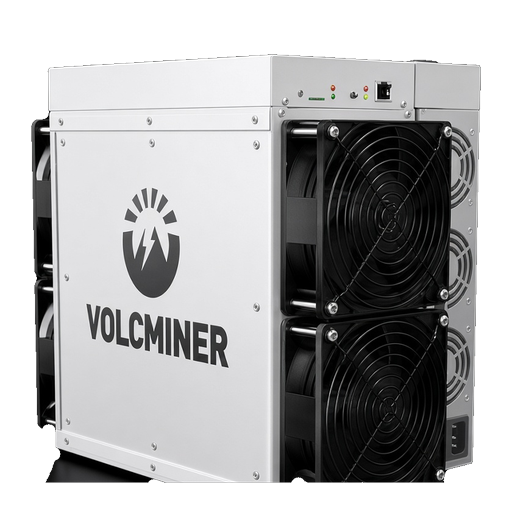
The VolcMiner VolcMiner D3 is a air-cooled Scrypt ASIC for Litecoin and Dogecoin merged mining, rated at 20 Gh/s and 3,580 W (0.179 W/MH).
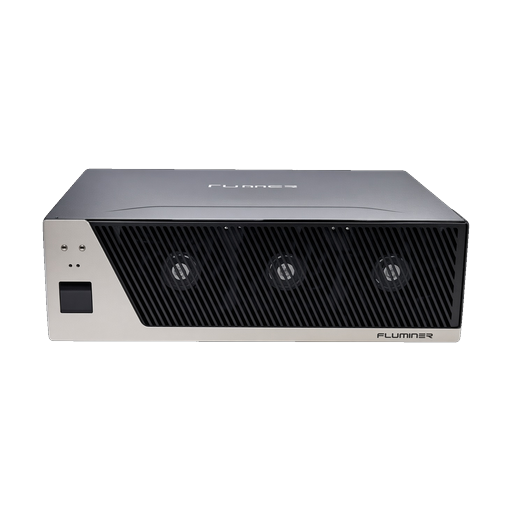
The Fluminer Fluminer L3 is a air-cooled Scrypt ASIC for Litecoin and Dogecoin merged mining, rated at 9.5 Gh/s and 1,700 W (0.179 W/MH).
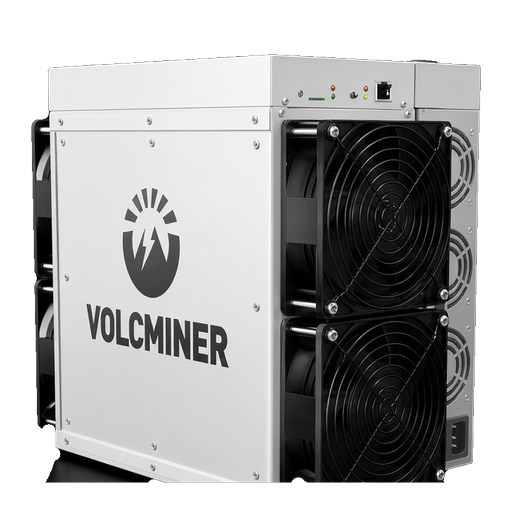
The VolcMiner VolcMiner D1 Pro is a air-cooled Scrypt ASIC for Litecoin and Dogecoin merged mining, rated at 20 Gh/s and 3,700 W (0.185 W/MH).
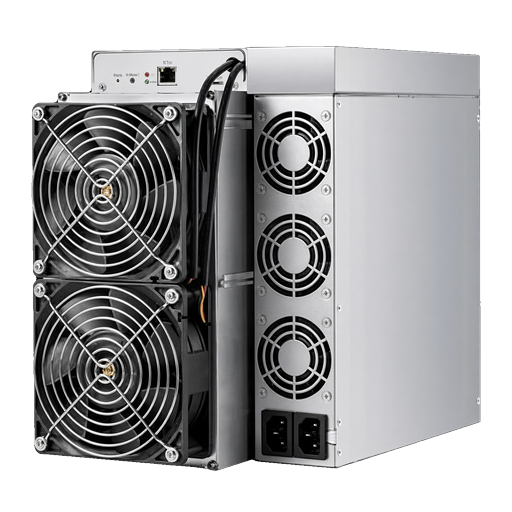
The ElphaPex ElphaPex DG2+ is a air-cooled Scrypt ASIC for Litecoin and Dogecoin merged mining, rated at 20.5 Gh/s and 3,900 W (0.19 W/MH).
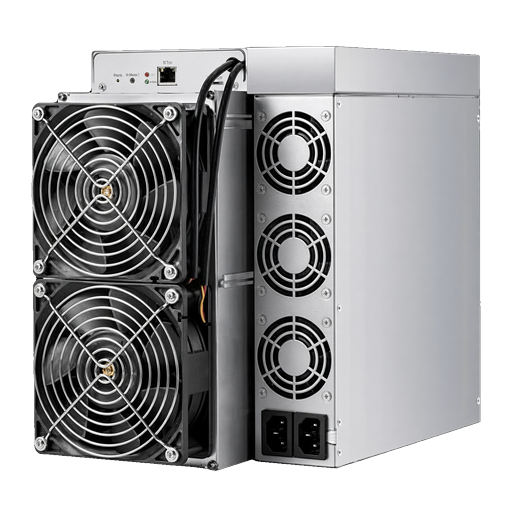
The ElphaPex ElphaPex DG2 is a air-cooled Scrypt ASIC for Litecoin and Dogecoin merged mining, rated at 18 Gh/s and 3,960 W (0.22 W/MH).
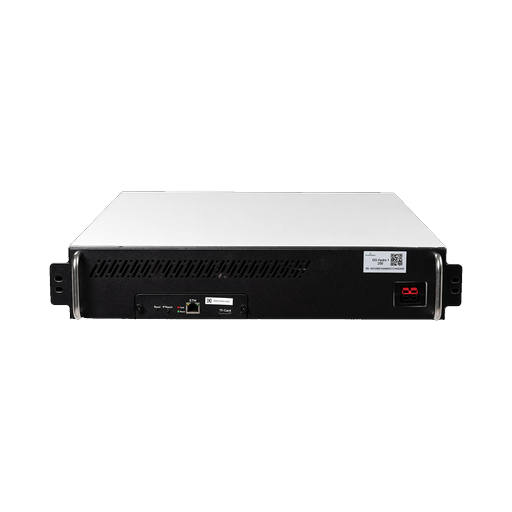
The ElphaPex ElphaPex DG Hydro is a hydro-cooled Scrypt ASIC for Litecoin and Dogecoin merged mining, rated at 30 Gh/s and 7,600 W (0.253 W/MH).
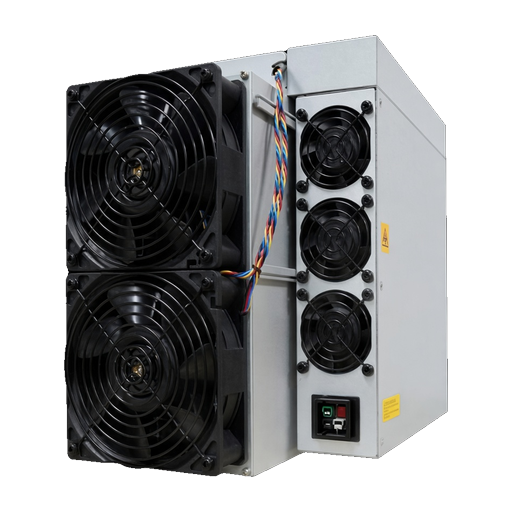
The Bitmain Antminer L9 17Gh is a air-cooled Scrypt ASIC for Litecoin and Dogecoin merged mining, rated at 17 Gh/s and 3,570 W (0.21 W/MH).
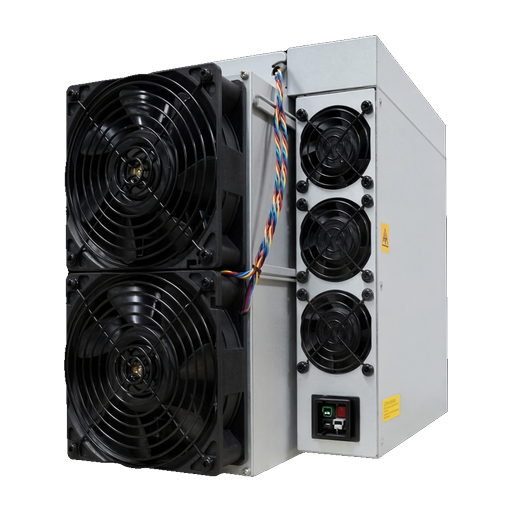
The Bitmain Antminer L9 is a air-cooled Scrypt ASIC for Litecoin and Dogecoin merged mining, rated at 16 Gh/s and 3,360 W (0.21 W/MH).
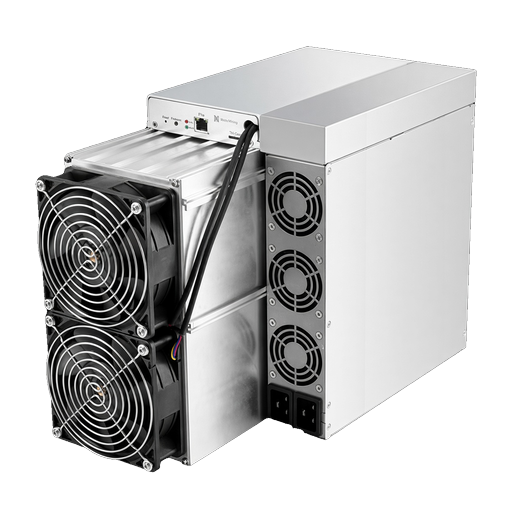
The ElphaPex ElphaPex DG1+ is a air-cooled Scrypt ASIC for Litecoin and Dogecoin merged mining, rated at 18.5 Gh/s and 4,250 W (0.23 W/MH).