What is an ASIC miner
An ASIC miner is a machine built for one algorithm. ASIC means application-specific integrated circuit. A Bitcoin ASIC repeats SHA-256 and does not do anything else. A graphics card is not how Bitcoin is mined now.
What the chip is doing
The chip repeats SHA-256, which is why it can make so many attempts per second. That attempt rate is hashrate. The attempts are the race in Bitcoin mining, aimed at finding a Bitcoin block. The network does not require an ASIC. Any device may submit a valid hash. In practice the machines in a Bitcoin farm are SHA-256 ASICs, because a chip that only hashes beats a general-purpose chip by a huge margin on watts per attempt.
The hardware changed in steps. In 2009 the work ran on ordinary computer processors. Around 2010, graphics cards did the same math across many small cores and pulled ahead. Around 2013, SHA-256 ASICs took over. A current graphics card still hashes SHA-256, at a rate a modern ASIC passes by orders of magnitude, so the electricity for that card buys almost none of the network. A card can still be the right tool for a different algorithm. A SHA-256 ASIC cannot switch.
Test 14 days of ₿itcoin mining for free
SHA-256 machines you can read about
These three are SHA-256 Bitcoin miners. Each page lists a hashrate in TH/s, an efficiency in watts per terahash, and whether the machine is air cooled, hydro cooled, or immersion cooled: the Antminer S21 XP Hyd, the Whatsminer M60, and the Antminer S19 Pro. Bitcoin mining and electricity explains those watts. A lower watts-per-terahash figure means less electricity for the same TH/s. A machine built for a different coin's algorithm is a different tool.
Renting the work, not the box
When you rent hashrate here, the ASIC stays in the farm. Hosted hashrate and buying a miner is that split. Maintenance and repairs are in the TH price. The electricity the machine draws is taken out of the day's mined bitcoin. A mining pool groups the machines so a found block is split. mining difficulty and a Bitcoin halving change the network around the machine. Bitcoin mining rewards and payouts is the day your share of its work shows up.
Frequently asked questions
Application-specific integrated circuit. The chip is built for one job. On Bitcoin, that job is SHA-256.
A graphics card can run SHA-256, and a Bitcoin ASIC does so many more attempts per watt that the card is not how Bitcoin is mined now. Cards still matter for other algorithms.
Hashrate in TH/s, efficiency in watts per terahash, and the cooling type. A lower watts-per-terahash number uses less electricity for the same hashrate.
No. The machine stays in the farm. You rent the attempts, measured in TH/s.
Test 14 days of ₿itcoin mining for free
The latest Bitcoin miners
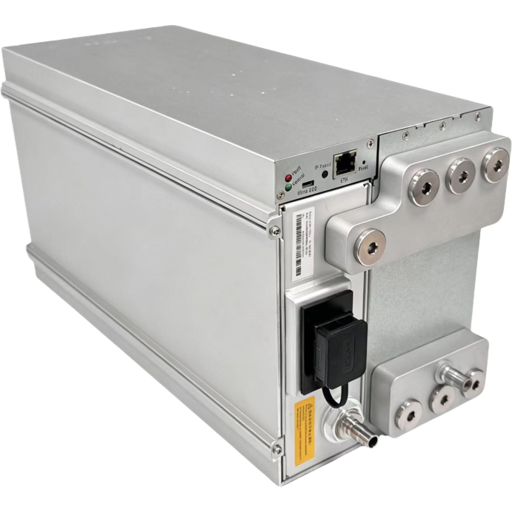
The Bitmain Antminer S23 XP Hyd is a hydro-cooled Bitcoin miner delivering 600 TH/s at an efficiency of 8.9 W/TH.
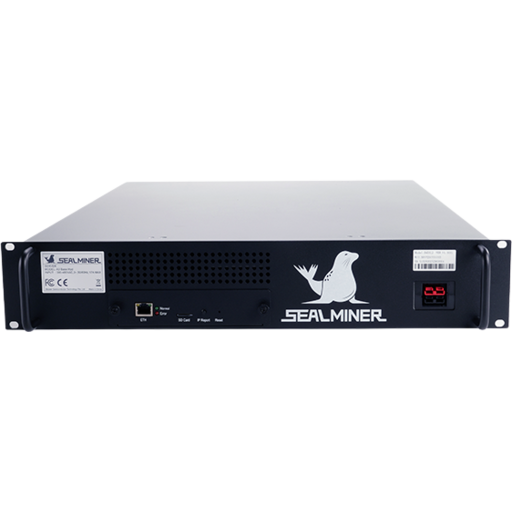
The Bitdeer Sealminer A4 Ultra Hydro is a hydro-cooled Bitcoin miner delivering 886 TH/s at an efficiency of 9.45 W/TH.
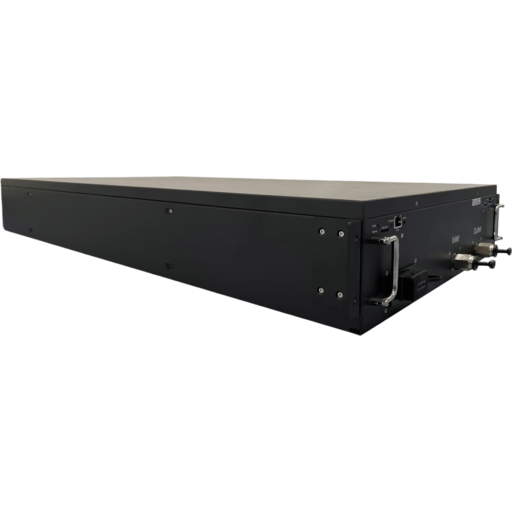
The Bitmain Antminer S23 Hyd 3U is a hydro-cooled Bitcoin miner delivering 1160 TH/s at an efficiency of 9.5 W/TH.
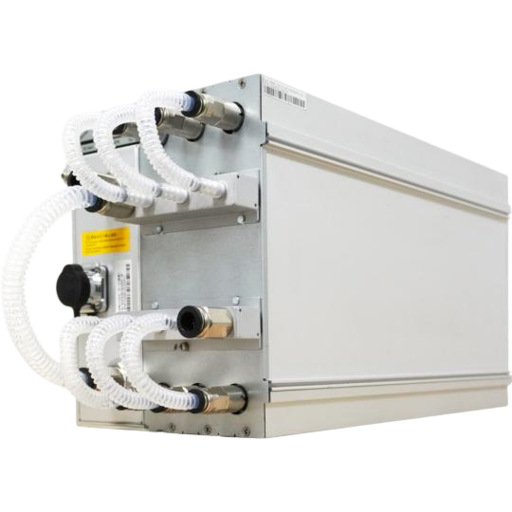
The Bitmain Antminer S23 Hyd is a hydro-cooled Bitcoin miner delivering 580 TH/s at an efficiency of 9.5 W/TH.
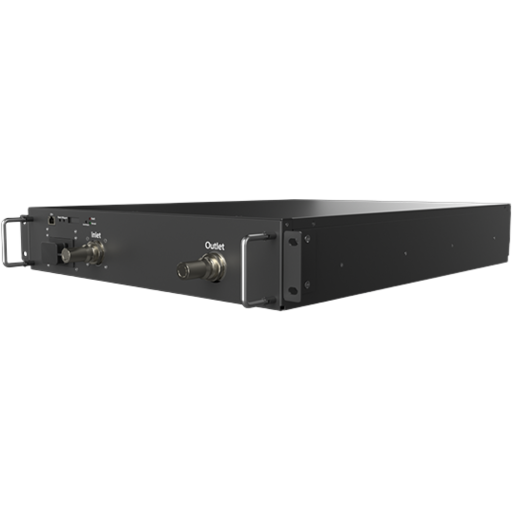
The Bitmain Antminer S23e Hyd 2U is a hydro-cooled Bitcoin miner delivering 865 TH/s at an efficiency of 10 W/TH.
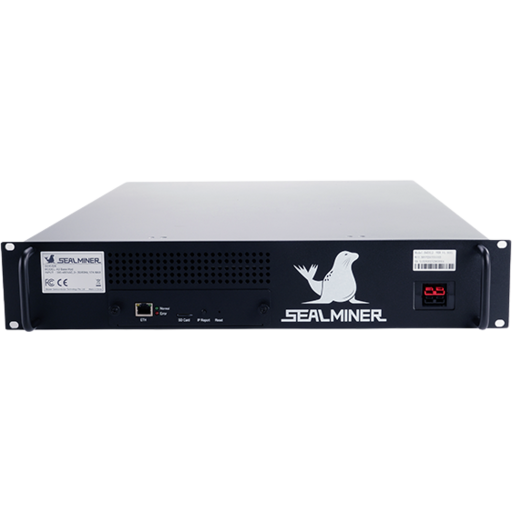
The Bitdeer Sealminer A4 Pro Hydro is a hydro-cooled Bitcoin miner delivering 680 TH/s at an efficiency of 10.9 W/TH.
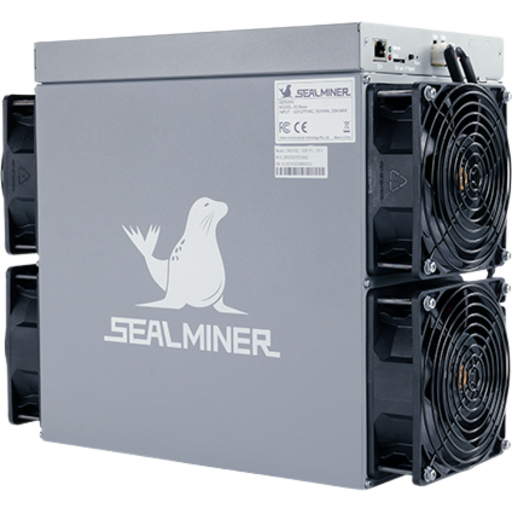
The Bitdeer Sealminer A4 Pro Air is an air-cooled Bitcoin miner delivering 336 TH/s at an efficiency of 10.9 W/TH.
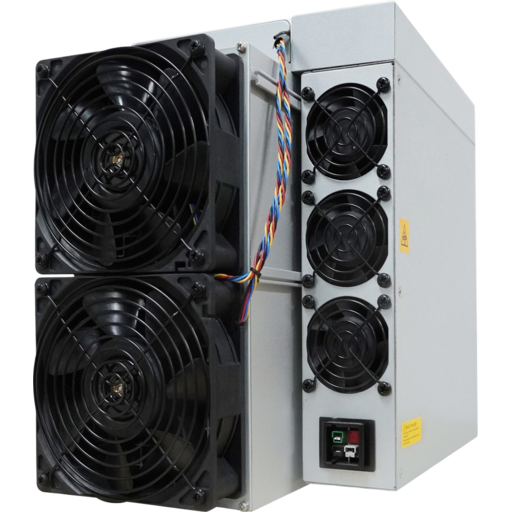
The Bitmain Antminer S23 is an air-cooled Bitcoin miner delivering 318 TH/s at an efficiency of 11 W/TH.
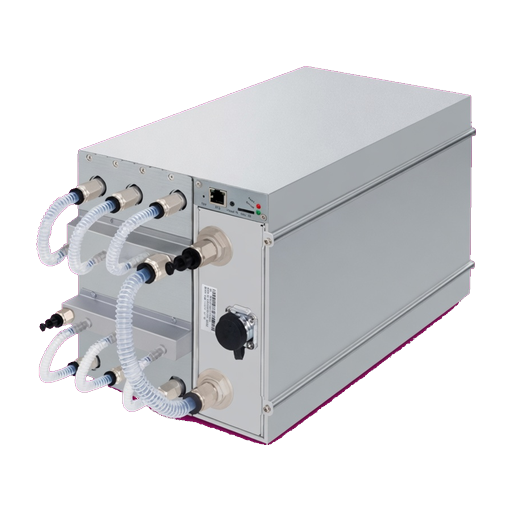
The Bitmain Antminer S21 XP+ Hyd is a hydro-cooled Bitcoin miner delivering 500 TH/s at an efficiency of 12 W/TH.
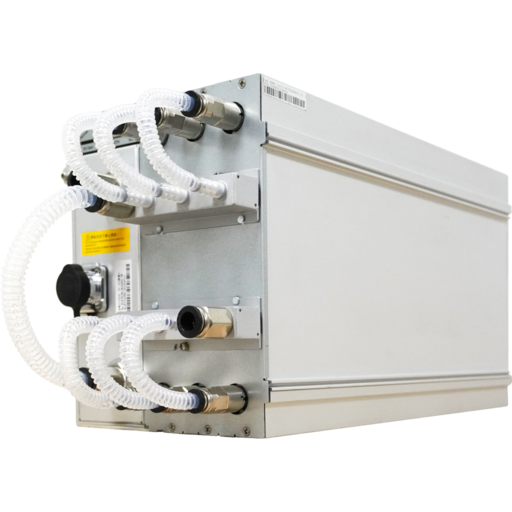
The Bitmain Antminer S21j XP Hyd is a hydro-cooled Bitcoin miner delivering 495 TH/s at an efficiency of 12 W/TH.